 Welcome Sathish Gastro & Liver Hospital In Mancherial


Indigestion: Causes, Symptoms, Treatment, and Prevention Guide
Indigestion (dyspepsia) affects millions of people daily — yet most don't understand why it happens or how to stop it. This complete guide covers everything you need to know about causes, symptoms, treatment, and prevention of indigestion, backed by expert gastroenterological insights.
🩺 What Is Indigestion?
Indigestion — medically known as dyspepsia — is a group of symptoms that cause discomfort or pain in the upper abdomen, often felt during or after eating. Indigestion is not a disease in itself; rather, it is a cluster of symptoms that signal an underlying issue in the digestive tract.
It is one of the most common gastrointestinal complaints worldwide. In India, poor dietary habits, high-spice diets, irregular meal timings, and stress are major contributors to frequent indigestion episodes.

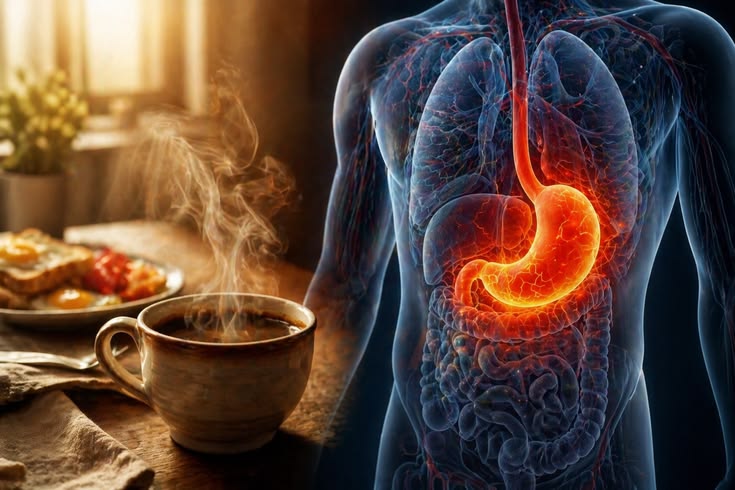
Indigestion causes discomfort in the stomach and intestines, as illustrated above.
Understanding indigestion fully — what triggers it, what its symptoms signal, and how it can be properly treated — is essential for protecting your long-term digestive health.
⚡ Causes of Indigestion
Indigestion can arise from a wide range of lifestyle factors, dietary habits, and underlying medical conditions. The most common causes include:
- Overeating or eating too fast — Large meals overwhelm the stomach's capacity to produce acid and enzymes, slowing digestion and causing fullness, bloating, and pain.
- Spicy, fatty, or fried foods — These foods delay gastric emptying and stimulate excess acid production, a common trigger in Indian diets.
- Caffeine and alcohol — Coffee, tea, and alcohol irritate the stomach lining and relax the lower esophageal sphincter, promoting acid reflux.
- NSAIDs and certain medications — Painkillers like ibuprofen and aspirin can erode the protective stomach lining and cause indigestion or ulcers.
- H. pylori infection — A bacterial infection that causes stomach ulcers and is a leading cause of chronic indigestion in India.
- GERD (Acid Reflux) — When stomach acid repeatedly flows back into the esophagus, it triggers persistent indigestion and heartburn.
- Stress and anxiety — The gut-brain connection means psychological stress directly affects gastric motility and acid secretion.
- Gastritis and peptic ulcers — Inflammation or sores in the stomach lining are a frequent source of chronic indigestion.
- Functional dyspepsia — Indigestion with no identifiable structural cause, often linked to motility disorders or gut sensitivity.
- Pregnancy — Hormonal changes and the growing uterus press on the stomach, making indigestion very common during pregnancy.
🔎 Symptoms of Indigestion
Indigestion symptoms vary from person to person and can range from mild discomfort to severely disruptive episodes. Recognising these symptoms early helps you seek timely treatment:
- Upper abdominal pain or discomfort
- Bloating and a feeling of fullness
- Heartburn or burning sensation in the chest
- Nausea, sometimes with vomiting
- Belching and excessive gas
- Feeling full very quickly while eating
- Acidic or bitter taste in the mouth
- Growling or rumbling stomach sounds
- Loss of appetite
- Discomfort that worsens when lying down
When to See a Doctor Immediately: If indigestion is accompanied by vomiting blood, black or tarry stools, unexplained weight loss, difficulty swallowing, or severe persistent abdominal pain — these are red flag symptoms requiring urgent medical evaluation. Do not self-medicate; consult a gastroenterologist right away.

Indigestion often strikes during or shortly after eating, causing significant discomfort.
🏥 How Is Indigestion Diagnosed?
A gastroenterologist will evaluate your symptoms, medical history, and lifestyle before recommending investigations. Diagnostic methods may include:
- Upper endoscopy (Gastroscopy) — A camera examination of the esophagus, stomach, and duodenum to detect ulcers, gastritis, or tumors.
- H. pylori testing — Via blood tests, stool antigen test, urea breath test, or endoscopic biopsy.
- Abdominal ultrasound — To rule out gallstones, pancreatitis, or liver disease as causes of upper abdominal pain.
- Blood tests — To assess for anemia, liver function, thyroid issues, or other systemic causes.
- pH monitoring or manometry — To measure acid levels and esophageal pressure if GERD is suspected.
💊 Treatment of Indigestion
Treatment depends on the underlying cause. Most mild indigestion responds well to lifestyle adjustments and over-the-counter medications, while chronic or serious indigestion requires medical management:
Antacids
Neutralise stomach acid for fast, short-term relief. Effective for occasional heartburn and mild indigestion.
H2 Receptor Blockers
Medications like famotidine reduce acid production, offering longer relief than antacids. Suitable for moderate indigestion.
Proton Pump Inhibitors (PPIs)
Omeprazole, pantoprazole, and similar drugs significantly reduce acid secretion. Prescribed for GERD, gastritis, and ulcers.
H. pylori Eradication Therapy
A combination of antibiotics and a PPI, typically for 7–14 days, to eliminate H. pylori infection permanently.
Prokinetics
Help stomach empty faster, reducing bloating and fullness. Used for functional dyspepsia and gastroparesis.
Psychological Therapies
Cognitive behavioural therapy (CBT) and stress management techniques help patients with functional or stress-related dyspepsia.
🛡️ Prevention of Indigestion
Most cases of indigestion are preventable with consistent lifestyle modifications. Follow these evidence-based strategies to keep your digestive system healthy:
- Eat smaller, more frequent meals — Avoid overloading the stomach. 5–6 small meals are easier to digest than 2–3 large ones.
- Chew food slowly and thoroughly — Digestion begins in the mouth. Rushed eating increases the amount of air swallowed and hampers gastric processing.
- Avoid trigger foods — Reduce or eliminate spicy, greasy, and fatty foods, carbonated drinks, caffeine, and alcohol.
- Do not lie down immediately after eating — Wait at least 2–3 hours before lying down or sleeping to prevent acid reflux.
- Maintain a healthy weight — Excess abdominal fat increases pressure on the stomach, worsening reflux and indigestion.
- Manage stress effectively — Yoga, meditation, walking, and adequate sleep significantly reduce stress-induced indigestion.
- Quit smoking — Smoking weakens the esophageal sphincter and increases acid production, compounding indigestion.
- Use NSAIDs only as prescribed — If you must take painkillers, take them with food or use a stomach-protective medication as advised by your doctor.
- Stay well hydrated — Drink adequate water throughout the day, but avoid large amounts of water immediately before or during meals.
- Get regular check-ups — Annual gastroenterological screening is advisable for anyone over 40 or with a family history of gastric conditions.
❓ Frequently Asked Questions About Indigestion
Experiencing Persistent Indigestion?
Don't ignore recurring stomach discomfort. Our expert gastroenterologist Dr. Sathish Chander Gadigoppula provides accurate diagnosis and personalised treatment for all digestive disorders at our hospital in Mancherial, Telangana.
Book a Consultation Today