 Welcome Sathish Gastro & Liver Hospital In Mancherial


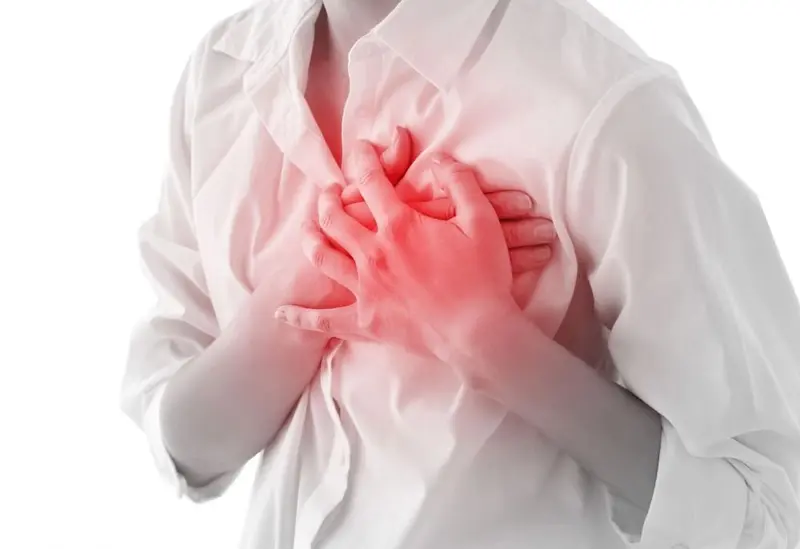
What Causes Chest Burning? Symptoms, Diagnosis, and Treatment Guide
Chest burning is a painful, burning sensation felt in the chest area, most often caused by acid reflux or GERD (Gastroesophageal Reflux Disease). Other causes include esophagitis, hiatal hernia, peptic ulcers, anxiety, or in rare cases, cardiac conditions. Treatment depends on the underlying cause and may include lifestyle changes, antacids, proton pump inhibitors, or medical procedures.

Chest burning affects millions of people worldwide and is one of the most frequent reasons patients visit a gastroenterologist. While the sensation can be alarming, understanding its root causes is the first step toward effective relief.
In most cases, chest burning originates in the esophagus — the tube connecting your mouth to your stomach. When stomach acid travels upward, it irritates the delicate lining of the esophagus, producing that familiar burning discomfort. However, not all chest burning is digestive in origin, which is why proper evaluation matters.
🔍 Common Causes of Chest Burning at a Glance
How Acid Reflux Causes Chest Burning
Recognizing the Symptoms of Chest Burning
Chest burning does not always present in the same way. The experience can vary depending on the underlying cause, the severity of the condition, and individual patient factors. Recognizing the full range of symptoms helps your doctor reach an accurate diagnosis faster.
-
1Burning sensation behind the breastbone (heartburn) The classic symptom — a fiery or burning feeling rising from the upper abdomen to the throat, often worse after eating or lying down.
-
2Regurgitation of acid or food A sour or bitter-tasting fluid that rises into the back of the throat, often described as an unpleasant taste in the mouth.
-
3Difficulty swallowing (dysphagia) A feeling that food is stuck in the chest or throat, sometimes accompanied by pain when swallowing.
-
4Chronic cough or hoarseness Acid that reaches the throat and voice box can cause persistent coughing, throat clearing, or a raspy voice.
-
5Bloating, nausea, or upper abdominal discomfort Accompanying digestive symptoms that frequently occur alongside chest burning in patients with GERD or gastritis.
Chest burning accompanied by severe chest pain radiating to the arm or jaw, shortness of breath, sweating, or dizziness may indicate a heart attack. Seek emergency medical attention immediately. Do not self-diagnose or delay care.

How Is Chest Burning Diagnosed?
Accurate diagnosis begins with a thorough medical history and physical examination. Your gastroenterologist will ask about the frequency, timing, and triggers of your symptoms, along with your diet, lifestyle habits, and any medications you take.
Common Diagnostic Tests
- Upper Endoscopy (EGD): A flexible camera is passed through the mouth to directly visualize the esophagus, stomach, and upper small intestine for signs of inflammation, ulcers, or damage.
- 24-Hour pH Monitoring: A small sensor measures acid levels in the esophagus over 24 hours to confirm acid reflux and assess its frequency and severity.
- Esophageal Manometry: This test evaluates the muscular function of the esophagus and the pressure of the lower esophageal sphincter.
- Barium Swallow X-ray: A contrast dye highlights the esophagus and stomach on X-ray, useful for detecting structural problems like hiatal hernia.
- H. pylori Testing: Blood, breath, or stool tests detect the Helicobacter pylori bacteria, a common cause of peptic ulcers and gastritis.
🩺 Diagnostic Pathway for Chest Burning
Treatment Options for Chest Burning
Treatment for chest burning is tailored to its underlying cause. The goal is to reduce acid production, protect the esophageal lining, address contributing lifestyle factors, and in some cases, correct structural abnormalities.
Lifestyle Modifications
Lifestyle changes are the cornerstone of managing acid-related chest burning and often provide significant relief even before medications are introduced.
- Eating smaller, more frequent meals rather than large portions
- Avoiding trigger foods such as spicy dishes, citrus, tomatoes, chocolate, coffee, and alcohol
- Not lying down for at least 2–3 hours after eating
- Elevating the head of the bed by 6–8 inches to prevent nighttime reflux
- Maintaining a healthy body weight, as excess abdominal fat increases reflux pressure
- Quitting smoking, which weakens the lower esophageal sphincter
Medications
- Antacids — Provide quick but short-term relief by neutralizing stomach acid (e.g., calcium carbonate).
- H2 Blockers (H2RAs) — Reduce acid production for several hours. Suitable for mild-to-moderate GERD.
- Proton Pump Inhibitors (PPIs) — The most effective class for long-term acid suppression. Examples include omeprazole, pantoprazole, and esomeprazole.
- Prokinetics — Help the stomach empty faster, reducing the volume of acid available for reflux.
- Antibiotics — Required when chest burning is linked to H. pylori infection, typically as part of triple or quadruple therapy.
Surgical and Procedural Options
When medications and lifestyle changes do not provide adequate relief, procedural interventions may be recommended. Laparoscopic Nissen fundoplication is a minimally invasive surgery that reinforces the lower esophageal sphincter. Newer endoscopic procedures such as TIF (Transoral Incisionless Fundoplication) and LINX (a magnetic ring device) offer effective alternatives with shorter recovery times.
💊 Treatment Ladder for Chest Burning
Summary: Chest Burning at a Glance
| Cause | Key Symptoms | Diagnosis | Treatment | Urgency |
|---|---|---|---|---|
| Acid Reflux / GERD | Heartburn, regurgitation, sour taste | Endoscopy, pH monitoring | PPIs, lifestyle changes | Moderate |
| Esophagitis | Painful swallowing, chest burning | Upper endoscopy with biopsy | PPIs, treat underlying cause | Moderate |
| Peptic Ulcer | Burning stomach pain, nausea, bloating | Endoscopy, H. pylori test | PPIs, antibiotics if H. pylori | Moderate |
| Hiatal Hernia | Chest burning, belching, GERD symptoms | Barium swallow, endoscopy | Medications, surgery if severe | Low–Moderate |
| Anxiety / Stress | Chest tightness, palpitations, nausea | Clinical evaluation, ECG | Therapy, stress management, medications | Low |
| Cardiac Chest Pain | Crushing pain, radiation to arm/jaw, sweating | ECG, cardiac enzymes, stress test | Emergency cardiac care | High — Emergency |
Preventing Chest Burning: Evidence-Based Tips
Prevention focuses on reducing the frequency and severity of acid reflux episodes through deliberate dietary and lifestyle adjustments. Consistency is key — temporary changes rarely produce lasting results.
Frequently Asked Questions About Chest Burning



Contact Info
- Bellampalli Chowrasta,Beside Raghavarao Hospital , Bus Stand Road ,Mancherial-504208.
- 9908247108
- info@sathishgastroliver.com
- Everyday : 09.00 AM - 09.00 PM