 Welcome Sathish Gastro & Liver Hospital In Mancherial



HEALTH
OUR PRIORITY
Benefits of Endoscopy: A Small Step Today for a Healthier Tomorrow
Sathish Gastro & Liver Super Specialty Hospital, Mancherial • Digestive health guide • Updated August 2026
Persistent acidity, unexplained stomach pain, difficulty swallowing, or ongoing digestive discomfort are often brushed aside for months — sometimes years — before anyone gets checked properly. Endoscopy is one of the simplest, safest ways to find out exactly what's going on inside your digestive tract, often catching problems early enough that a minor issue never becomes a major one. Here's what endoscopy actually involves and why it's such a valuable tool for protecting your digestive health.
What Is an Endoscopy?
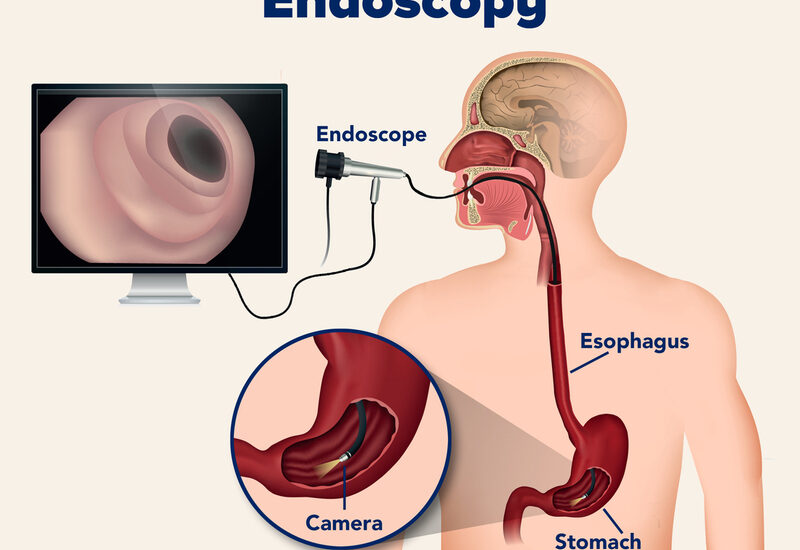
An endoscopy is a procedure in which a doctor uses a thin, flexible tube fitted with a light and a small camera (an endoscope) to directly view the inside of the digestive tract. Depending on the symptoms, it can be used to examine the food pipe (esophagus), stomach, and the first part of the small intestine — a version of this is called an upper GI endoscopy. The images are displayed on a screen in real time, allowing the doctor to spot problems that other tests, like blood work or X-rays, often can't detect on their own.
Key Benefits of Endoscopy
Early Detection of Digestive Diseases
Endoscopy can identify ulcers, gastritis, acid reflux damage, polyps, and early signs of cancer often well before symptoms become severe — when treatment is simplest and most effective.
Prevents Complications
Catching problems like bleeding ulcers, precancerous polyps, or strictures early means they can be treated before they progress into more serious, harder-to-manage complications.
Quick Recovery & Relief
Most endoscopies are outpatient procedures performed under mild sedation. Patients typically go home the same day and return to normal activities within 24 hours.
Accurate Diagnosis Without Surgery
Endoscopy provides a direct, detailed view of the digestive tract without any surgical incision, giving doctors precise answers with minimal discomfort and no downtime from a major operation.
Why Early Detection Makes Such a Difference
Many digestive conditions — including stomach ulcers, gastritis, and even early-stage cancers of the esophagus or stomach — cause few or no symptoms in their earliest stages. By the time noticeable symptoms appear, a condition may already be more advanced and harder to treat. Endoscopy allows doctors to look directly at the tissue, spot subtle changes long before they become obvious problems, and take immediate action, such as a biopsy or removing a polyp, in the very same procedure.
Common Reasons Doctors Recommend Endoscopy
- Persistent heartburn, acidity, or reflux symptoms
- Difficulty or pain when swallowing
- Unexplained abdominal pain
- Chronic nausea or vomiting
- Unexplained weight loss
- Vomiting blood or passing black, tarry stools
- Unexplained iron-deficiency anemia
- Ongoing indigestion that doesn't improve with medication
- Monitoring known conditions like Barrett's esophagus or chronic gastritis
What Endoscopy Can Diagnose and Treat
| Condition | How Endoscopy Helps |
|---|---|
| Acid reflux (GERD) | Checks for esophageal irritation, inflammation, or damage caused by acid |
| Ulcers | Directly visualizes ulcers, checks for H. pylori, and can treat active bleeding |
| Gastritis | Identifies inflammation and allows biopsy to confirm the cause |
| Polyps | Detects and removes polyps in the same sitting, reducing future cancer risk |
| Swallowing difficulty | Identifies strictures, narrowing, or blockages in the esophagus |
| Unexplained bleeding | Locates the source of bleeding and can treat it directly during the procedure |
Is Endoscopy Safe?
Yes. Endoscopy is a routine, well-established procedure performed safely millions of times every year. It's generally described as:
- Safe — performed under mild sedation with continuous monitoring throughout
- Accurate — gives a direct, magnified view of the digestive lining that imaging tests can't match
- Comfortable — most patients feel little to no discomfort and have minimal memory of the procedure
Serious complications are rare, and most patients describe the experience as far less unpleasant than they expected.
What to Expect During the Procedure
- Preparation: You'll typically need to fast for a few hours beforehand so the stomach is empty for a clear view.
- Sedation: A mild sedative is usually given so you're relaxed and comfortable throughout.
- The examination: The endoscope is gently guided through the mouth to examine the esophagus, stomach, and upper small intestine.
- Same-day treatment: If needed, the doctor can take a biopsy, remove a polyp, or treat a bleeding site during the same procedure.
- Recovery: The whole process usually takes about 10-20 minutes, with a short recovery period afterward before you're ready to head home.
⚠ Don't Ignore These Warning Signs
Speak to a doctor about an endoscopy if you experience any of the following, especially if they're persistent or getting worse:
- Difficulty swallowing food or liquids
- Vomiting blood or noticing black, tarry stools
- Unexplained weight loss
- Persistent abdominal pain that doesn't improve
- Chronic acidity that keeps coming back despite medication
These symptoms deserve a proper look rather than ongoing self-treatment with over-the-counter tablets.
MD, DrNB (Medical Gastroenterology) — AIG Hospital, Hyderabad
Frequently Asked Questions
Is endoscopy painful?
Endoscopy is performed under mild sedation, so most patients feel little to no discomfort and often have minimal memory of the procedure itself.
How long does an endoscopy take?
The procedure itself usually takes about 10-20 minutes. Including preparation and recovery from sedation, plan for about an hour or two at the facility.
Do I need to fast before an endoscopy?
Yes, you'll typically need to avoid food and liquids for several hours beforehand so the stomach is empty, allowing for a clear, accurate examination.
Can endoscopy detect cancer early?
Yes. Endoscopy is one of the most effective tools for catching precancerous changes and early-stage cancers of the esophagus and stomach, often well before symptoms become severe.
Will I need surgery if something is found?
Not usually. Many findings — such as polyps, mild ulcers, or sites of bleeding — can be treated directly during the endoscopy itself, without the need for surgery.
Experiencing Ongoing Digestive Symptoms?
Don't wait for symptoms to worsen. Dr. Sathish Chander Gadigoppula and the team at Sathish Gastro & Liver Super Specialty Hospital, Mancherial, offer safe, accurate, and comfortable endoscopy to help you get answers early.
Book a ConsultationThis article is for general informational purposes and is not a substitute for professional medical advice. Please consult a doctor to determine if endoscopy is right for you.