 Welcome Sathish Gastro & Liver Hospital In Mancherial



Is Jaundice Contagious? What You Need to Know
Sathish Gastro & Liver Hospital, Mancherial • Digestive & liver health guide • Updated August 2026
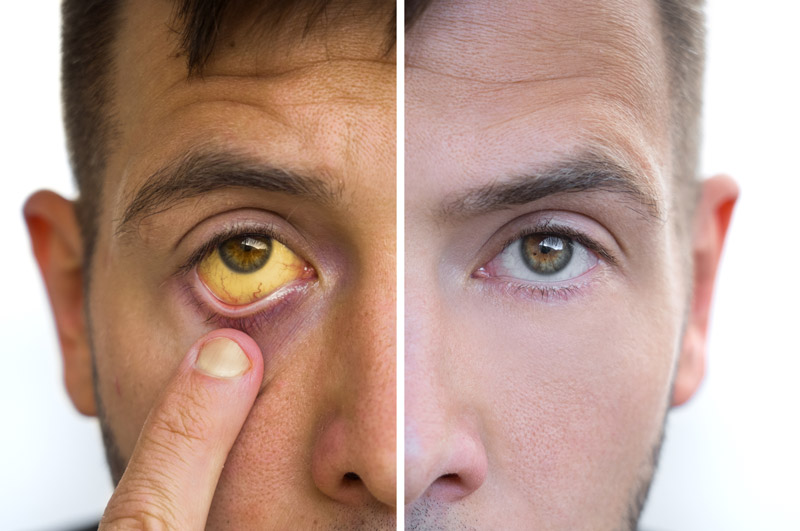
When someone in the family or workplace is diagnosed with jaundice, the first question people usually ask is: "Is it contagious? Can it spread to me?" The honest answer is — it depends on what's causing it. Jaundice itself is not a disease; it's a symptom, a yellowing of the skin and eyes caused by an underlying problem in the liver. Some of those underlying causes are contagious, while others aren't contagious at all. Here's how to tell the difference and protect yourself and your family.
What Is Jaundice, Exactly?
Jaundice happens when there's too much bilirubin — a yellow pigment produced when old red blood cells break down — building up in the blood. Normally, the liver processes bilirubin and removes it from the body. When the liver isn't working properly, or when something blocks the normal flow of bile, bilirubin builds up and causes the skin, eyes, and sometimes urine to turn yellow.
Because so many different conditions can affect the liver or bile flow, jaundice can come from causes that are infectious (contagious) or entirely non-infectious.
So, Is Jaundice Contagious?
Jaundice itself does not spread from person to person — you cannot "catch" yellow skin. What can spread is the underlying infection causing it, and this is where Hepatitis A and Hepatitis E matter most.
Which Causes of Jaundice Are Contagious?
Hepatitis A
Hepatitis A spreads mainly through the fecal-oral route — meaning it's transmitted when someone consumes food or water contaminated with even tiny, invisible traces of stool from an infected person. This commonly happens through:
- Contaminated drinking water
- Raw or undercooked shellfish from contaminated water
- Fruits and vegetables washed with unclean water
- Food handled by someone who didn't wash their hands properly after using the toilet
- Street food and ice made from unfiltered water
It spreads easily in areas with poor sanitation and is common during monsoon season when water contamination increases.
Hepatitis E
Hepatitis E spreads the same way — primarily through contaminated water. It's especially important to be cautious during pregnancy, as Hepatitis E can cause more serious illness in pregnant women.
Hepatitis B and C
These also cause jaundice and are infectious, but they spread differently — through blood, unprotected sexual contact, sharing needles, or from mother to child during childbirth, not through food, water, or casual contact.
Which Causes of Jaundice Are NOT Contagious?
Many causes of jaundice have nothing to do with infection at all, and cannot spread to others under any circumstances:
- Gallstones blocking the bile duct
- Alcohol-related liver disease
- Fatty liver disease
- Certain medications that affect the liver
- Autoimmune liver conditions
- Genetic conditions like Gilbert's syndrome
- Newborn jaundice, which is very common and usually due to an immature liver, not infection
- Liver cirrhosis from causes other than viral hepatitis
- Pancreatic or bile duct tumors blocking bile flow
If someone's jaundice is caused by one of these, there is no risk of it spreading to family members, coworkers, or anyone else.
How Hepatitis A & E Actually Spread — And How They Don't
| Spreads Through | Does NOT Spread Through |
|---|---|
| Contaminated drinking water | Casual touching, hugging, or handshakes |
| Food prepared with unwashed hands | Sitting near or talking to an infected person |
| Raw or undercooked shellfish from polluted water | Coughing or sneezing (it's not airborne) |
| Ice or beverages made with unclean water | Sharing a room or workspace |
| Poor handwashing after using the toilet | Insect bites |
Common Symptoms to Watch For
- Yellowing of the skin and the whites of the eyes
- Dark-colored urine
- Pale or clay-colored stools
- Fatigue and weakness
- Loss of appetite and nausea
- Mild fever
- Abdominal discomfort, especially in the upper right side
- Itchy skin
⚠ When to Seek Medical Care Right Away
Get prompt medical attention if jaundice comes with:
- High fever or shaking chills
- Severe abdominal pain
- Confusion or extreme drowsiness
- Persistent vomiting
- Easy bruising or bleeding
- Swelling in the abdomen or legs
These can indicate a more serious liver problem that needs urgent evaluation and treatment.
How to Protect Yourself and Your Family
Since food- and water-borne hepatitis is the most common contagious cause of jaundice, prevention mostly comes down to hygiene and safe food and water practices.
- Drink safe water: Use boiled, filtered, or properly treated water, especially when traveling or during monsoon season.
- Wash hands thoroughly with soap, especially before eating and after using the toilet.
- Avoid raw or undercooked shellfish and street food from questionable sources.
- Wash fruits and vegetables properly before eating, especially if eaten raw.
- Avoid ice of unknown origin in drinks when traveling.
- Get vaccinated: Vaccines are available for Hepatitis A and Hepatitis B and are highly effective at preventing infection.
- Isolate contaminated utensils and maintain good hygiene at home if a family member is currently infected, particularly around food preparation and the bathroom.
- Avoid sharing needles or razors to prevent bloodborne hepatitis (B and C).
How Is Jaundice Diagnosed and Treated?
Because jaundice has so many possible causes, proper diagnosis is essential before treatment can begin.
- Blood tests: Check bilirubin levels, liver enzymes, and screen for hepatitis viruses.
- Ultrasound or imaging: Looks for gallstones, blockages, or structural liver problems.
- Further testing: May include a liver biopsy or specialized scans if the cause remains unclear.
Treatment depends entirely on the cause. Viral hepatitis A and E usually resolve on their own with rest, hydration, and a liver-friendly diet, while a blockage from gallstones may need a procedure, and chronic conditions like Hepatitis B or C require longer-term medical management.
Frequently Asked Questions
Can I catch jaundice just by being near someone who has it?
No. Jaundice from Hepatitis A or E doesn't spread through casual contact, talking, or sharing a room — it spreads through contaminated food or water, usually linked to poor sanitation.
Is all jaundice contagious?
No. Only jaundice caused by an infectious hepatitis virus (A, B, C, or E) carries a risk of spreading to others. Jaundice from gallstones, alcohol-related liver disease, fatty liver, medications, or genetic conditions is not contagious at all.
Can jaundice spread through food cooked by an infected person?
Yes, this is actually one of the most common ways Hepatitis A spreads — through food handled by someone who hasn't washed their hands properly after using the toilet.
Is there a vaccine to prevent jaundice?
There's no vaccine for jaundice itself since it's a symptom, but vaccines exist for Hepatitis A and Hepatitis B, which are two of the most common infectious causes, and getting vaccinated significantly reduces your risk.
How long is someone with Hepatitis A contagious?
People are usually most contagious in the one to two weeks before symptoms appear and remain somewhat contagious for a short period after symptoms begin. Your doctor can advise on precautions based on your specific situation.
Noticed Yellowing of the Skin or Eyes?
Don't wait to find out the cause. The specialists at Sathish Gastro & Liver Hospital, Mancherial, can accurately diagnose the underlying reason for jaundice and guide you through safe, effective treatment.
Book a ConsultationThis article is for general informational purposes and is not a substitute for professional medical advice. Please consult a doctor for diagnosis and treatment of jaundice.