 Welcome Sathish Gastro & Liver Hospital In Mancherial


Gall Bladder Disorders: Types, Symptoms, and Treatment Options
A gall bladder disorder can turn a normal meal into a night of sharp pain and nausea, yet many people ignore the early warning signs for months. This small, pear-shaped organ plays a big role in digestion, and when it stops working properly, the effects ripple through your whole digestive system. In this guide, you will learn about the most common gall bladder disorders, how to spot the symptoms, when to seek urgent care, and what treatment and prevention actually look like.
What Is the Gallbladder and What Does It Do?
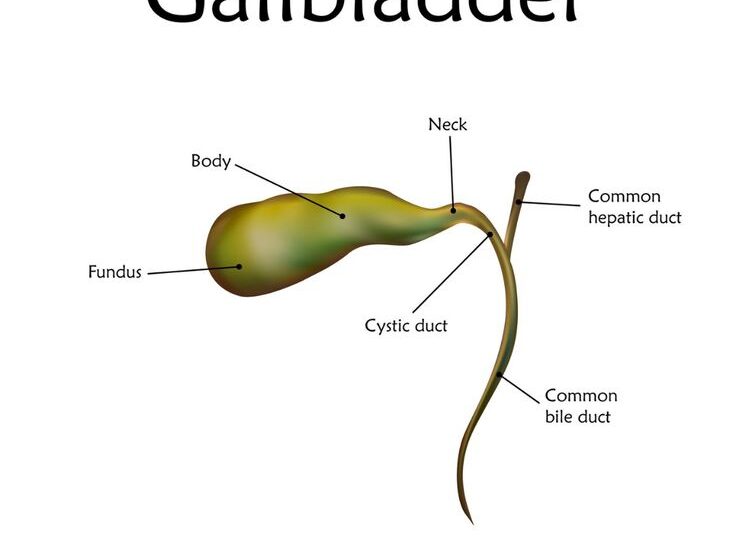
The gallbladder sits just under your liver, on the right side of your upper belly. Its main job is to store and concentrate bile, a yellow-green fluid your liver makes to help break down fat. Every time you eat a fatty meal, the gallbladder squeezes bile through a small tube called the bile duct and into your small intestine.

When this system works smoothly, you barely notice it. But bile is rich in cholesterol, bilirubin, and bile salts, and any imbalance in these substances can lead to solid deposits, inflammation, or blockages. That is where gall bladder disorders begin.
Types of Gall Bladder Disorders
Gall bladder disorders range from silent, harmless stones to serious infections that need emergency surgery. Here are the conditions doctors see most often.
1. Gallstones (Cholelithiasis)
Gallstones are hard deposits that form inside the gallbladder when bile contains too much cholesterol or bilirubin. They can be as small as a grain of sand or as large as a golf ball. Many people carry gallstones for years without knowing it, because small stones often cause no symptoms at all.

Problems start when a stone blocks the opening of the gallbladder or slips into the bile duct. This blockage causes the organ to swell, leading to sudden, intense pain known as a gallbladder attack.
2. Cholecystitis (Gallbladder Inflammation)
Cholecystitis happens when a gallstone blocks the cystic duct long enough for bacteria to build up, causing infection and swelling. Unlike a brief gallstone attack, this pain does not fade after a few hours. It often comes with fever and tenderness when you press the upper right belly.
3. Biliary Colic
Biliary colic is the medical term for the cramping pain that happens when a gallstone temporarily blocks bile flow. The pain usually peaks within an hour and eases once the stone shifts position. Frequent episodes of biliary colic are a strong sign that the gallbladder needs treatment before a stone causes a lasting blockage.
4. Choledocholithiasis (Bile Duct Stones)
This happens when a gallstone travels out of the gallbladder and gets stuck in the common bile duct, the tube that carries bile to the intestine. Because this duct also connects to the pancreas, a blocked stone can trigger jaundice or even pancreatitis, a painful swelling of the pancreas.
5. Gallbladder Polyps
Polyps are small growths on the inner wall of the gallbladder. Most are harmless and made of cholesterol deposits, but larger polyps (over 1 centimeter) carry a small risk of turning cancerous, so doctors usually recommend monitoring or removal.
6. Acalculous Gallbladder Disease
Sometimes the gallbladder becomes inflamed or stops emptying properly without any stones at all. This condition, called acalculous gallbladder disease, is more common in people who are critically ill, on long-term IV nutrition, or recovering from major surgery.
7. Gallbladder Cancer
Gallbladder cancer is rare, but it is more likely in people with long-standing, untreated gallstones or a condition called porcelain gallbladder, where the gallbladder wall hardens with calcium deposits. Because early gallbladder cancer rarely causes symptoms, it is often found late, which makes routine check-ups important for anyone with chronic gallstones.

Common Symptoms of Gallbladder Problems
Symptoms vary depending on the type and severity of the disorder, but most gall bladder problems share a common pattern of pain and digestive discomfort. Watch for these signs:
- Sudden pain in the upper right or center of your belly, often after a fatty meal
- Pain that spreads to your right shoulder blade or back
- Bloating and a feeling of fullness
- Nausea or vomiting
- Indigestion and burping after eating oily food
- Yellowing of the skin or eyes (a sign of blocked bile flow)
- Dark urine or pale, clay-colored stools
- Low-grade fever with chills during an infection
These symptoms often come and go, especially with biliary colic, which can trick people into thinking the problem has resolved on its own. It usually has not.
⚠ Warning Signs Requiring Urgent Medical Care
Some gallbladder symptoms signal a medical emergency. Go to the nearest hospital or call emergency services if you notice:
- Severe belly pain that lasts longer than 5 to 6 hours
- Pain combined with high fever and shaking chills
- Yellowing of the skin or eyes along with dark urine
- A racing heartbeat with confusion or drowsiness
- Persistent vomiting that prevents you from keeping fluids down
- A swollen, hard, or extremely tender belly
These signs can point to a ruptured gallbladder, severe infection, or a blocked bile duct, all of which need emergency treatment, not a wait-and-see approach.
What Causes Gallbladder Disorders?
No single cause explains every case, but certain factors make gallstones and related problems far more likely.
- Excess cholesterol in bile: When the liver produces more cholesterol than bile salts can dissolve, crystals form and grow into stones.
- Being overweight or obese: Extra body fat raises cholesterol levels in bile and slows gallbladder emptying.
- Rapid weight loss: Crash diets or bariatric surgery can cause the liver to release extra cholesterol into bile.
- Pregnancy and hormone changes: Estrogen increases cholesterol levels, while progesterone slows gallbladder muscle contractions.
- Age over 40: Gallstone risk climbs steadily with age.
- Family history: A parent or sibling with gallstones raises your own risk.
- Diabetes and metabolic conditions: These often go hand in hand with higher triglyceride levels, which affect bile composition.
- Long periods without eating: Skipping meals or extended fasting reduces gallbladder contractions, allowing bile to sit and thicken.
- High-fat, low-fiber diets: Diets heavy in fried snacks and refined carbohydrates, common in fast-paced urban lifestyles, raise cholesterol saturation in bile over time.
- Certain medications: Hormone therapy and some cholesterol-lowering drugs can change how the liver processes cholesterol and bile acids.
Most people have more than one risk factor at play. A middle-aged woman who is overweight and has recently lost weight quickly, for example, carries a combination of risks that make regular screening worthwhile even without symptoms.
Biliary Colic vs. Cholecystitis: What Is the Difference?
People often confuse a passing gallstone attack with a full-blown infection, but the two conditions behave differently and need different responses.
| Feature | Biliary Colic | Cholecystitis |
|---|---|---|
| Pain duration | Usually less than 4-6 hours | Lasts longer, often worsens over time |
| Fever | Rare | Common |
| Cause | Temporary blockage by a stone | Prolonged blockage leading to infection |
| Urgency | See a doctor soon, not always an emergency | Needs prompt medical attention |
If pain from what seems like biliary colic does not ease within a few hours, or if fever develops, treat it as a possible case of cholecystitis and seek care right away.
Possible Complications If Left Untreated
Ignoring gallbladder symptoms does not make the underlying problem disappear. Over time, untreated gallstones and inflammation can lead to:
- Gallbladder rupture: A severely inflamed gallbladder can tear, spilling infection into the abdominal cavity.
- Gangrene of the gallbladder: Reduced blood flow from prolonged swelling can cause tissue death.
- Acute pancreatitis: A stone stuck near the pancreatic duct can trigger sudden, severe inflammation of the pancreas.
- Cholangitis: A bile duct infection that can spread bacteria into the bloodstream, causing a life-threatening condition called sepsis.
- Bowel obstruction: In rare cases, a large gallstone can travel into the intestine and physically block it, a condition called gallstone ileus.
These complications explain why doctors take repeated gallbladder attacks seriously, even when each individual episode seems to pass on its own.
How Doctors Diagnose Gallbladder Disorders
If you describe classic symptoms, your doctor will usually run a short series of tests to confirm what is happening inside the gallbladder.
- Physical exam: The doctor presses on your upper right belly to check for tenderness (a sign called Murphy's sign).
- Abdominal ultrasound: This is the most common and reliable way to spot gallstones and check the gallbladder wall thickness.
- Blood tests: These check for infection, liver strain, and bilirubin levels that hint at a blocked bile duct.
- CT scan or MRI: Used when doctors need a more detailed view, especially if a stone may have moved into the bile duct.
- HIDA scan: A specialized scan that tracks how well the gallbladder empties bile, useful for diagnosing acalculous gallbladder disease.
- ERCP (Endoscopic Retrograde Cholangiopancreatography): Both a diagnostic and treatment tool used to locate and remove stones stuck in the bile duct.
Treatment Options for Gallbladder Disorders
Treatment depends on how severe your symptoms are and whether stones have moved beyond the gallbladder itself.
Watchful Waiting
If gallstones are found by accident during a scan for something else and you have no symptoms, your doctor may simply monitor the situation with periodic check-ups rather than rushing into surgery.
Medication
Certain oral medications can slowly dissolve small cholesterol stones over months, though this option works only for a limited number of patients and stones often come back once treatment stops.
ERCP for Bile Duct Stones
When a stone becomes trapped in the bile duct, doctors often use ERCP to locate and remove it through a thin, flexible scope, avoiding the need for open surgery in many cases.
Cholecystectomy (Gallbladder Removal)
Surgical removal of the gallbladder remains the most effective long-term treatment for recurring gallstones or cholecystitis. Most procedures today use laparoscopic surgery, which involves small incisions, less pain, and a faster recovery than traditional open surgery. Once the gallbladder is removed, bile flows directly from the liver to the intestine, and most people resume normal eating within a few weeks.
Recovery After Gallbladder Surgery
Most people who undergo laparoscopic cholecystectomy go home the same day or the next morning. Recovery is usually quick, but a few guidelines help the process go smoothly.
- First 24-48 hours: Rest at home, manage mild shoulder or belly soreness with prescribed medication, and start with light, low-fat meals.
- First week: Gradually resume normal activities, but avoid heavy lifting or strenuous exercise while the small incisions heal.
- 2-4 weeks: Most people return to work and regular routines. Some notice looser stools for a few weeks as the body adjusts to bile flowing directly into the intestine.
- Long term: The liver adapts by releasing bile continuously, and most people eat a normal diet again, though very fatty or greasy meals may still cause occasional discomfort.
If you experience worsening pain, fever, or wound redness during recovery, contact your surgeon promptly rather than waiting for a scheduled follow-up.
Living Well After a Gallbladder Diagnosis
Whether you are managing gallstones through diet or recovering from surgery, a few daily habits make a real difference. Eating smaller, more frequent meals reduces the sudden demand for bile that triggers pain. Keeping a food diary can help you spot which specific meals bring on symptoms, since triggers vary from person to person. Many patients also find that combining a low-fat diet with light daily walking speeds up recovery and improves overall digestion. If you already manage a separate condition, such as IBS or ongoing acidity, mention this to your gastroenterologist so your gallbladder treatment plan fits your full digestive health picture.
Prevention Tips
You cannot control every risk factor, such as age or family history, but you can lower your odds of developing gallstones with these habits:
- Maintain a steady, healthy weight instead of losing weight too quickly
- Eat regular meals rather than skipping breakfast or lunch
- Choose high-fiber foods like vegetables, fruits, and whole grains
- Limit refined sugar and heavily processed snacks
- Stay physically active with at least 30 minutes of movement most days
- Manage conditions like diabetes and high cholesterol with your doctor's guidance
- Stay well hydrated throughout the day
Lifestyle Recommendations for a Healthy Gallbladder
Small daily choices add up to real protection for your digestive system.
- Favor lean proteins: Choose fish, poultry, and legumes over fatty red meats and fried dishes.
- Add healthy fats in moderation: Olive oil, nuts, and avocados support digestion without overloading bile with cholesterol.
- Cut back on alcohol: Heavy drinking strains both the liver and gallbladder over time.
- Watch your dairy intake: Full-cream dairy products can trigger symptoms in people prone to gallstones.
- Address heartburn early: Chronic acid reflux and chest burning can sometimes overlap with gallbladder pain, so getting an accurate diagnosis matters.
- Do not smoke: Smoking is linked to slower bile flow and higher inflammation throughout the digestive tract.
According to the National Institute of Diabetes and Digestive and Kidney Diseases, most people who develop gallstones never experience symptoms severe enough to need treatment, but those who do should not delay seeking care once pain becomes frequent or intense.
Frequently Asked Questions
Can a gall bladder disorder go away without surgery?
Mild gallstones without symptoms often need no treatment beyond diet changes. But once stones start causing pain or infection, surgery is usually the safest long-term solution, since stones rarely disappear on their own.
What is the fastest way to relieve gallbladder pain?
Lying still, avoiding fatty food, and taking prescribed pain relief can ease a mild attack. However, severe or lasting pain needs urgent medical evaluation rather than home remedies.
Can you live a normal life without a gallbladder?
Yes. The liver keeps producing bile after the gallbladder is removed, and most people digest food normally within a few weeks, with only minor adjustments to fatty food intake.
What foods should you avoid with a gallbladder disorder?
Fried foods, fatty meats, full-cream dairy, and heavily processed snacks tend to trigger symptoms because they force the gallbladder to release extra bile at once.
Are gallbladder disorders more common in women?
Yes. Women, especially those who are pregnant, taking hormonal birth control, or over 40, face a higher risk because estrogen raises cholesterol levels in bile.
When to See a Gastroenterologist
Do not wait for a crisis to get your gallbladder checked. If you notice repeated pain after meals, unexplained bloating, or any of the warning signs listed above, a gastroenterologist can confirm the cause with a simple ultrasound and recommend the right next step, whether that is diet changes, medication, or surgery. Left untreated, gallbladder disorders can progress from occasional discomfort to serious infections that require emergency care.
Concerned About Gallbladder Symptoms?
The specialists at Sathish Gastro & Liver Hospital in Mancherial diagnose and treat gallstones, cholecystitis, and other digestive conditions with modern, minimally invasive techniques.
Book a Consultation