 Welcome Sathish Gastro & Liver Hospital In Mancherial


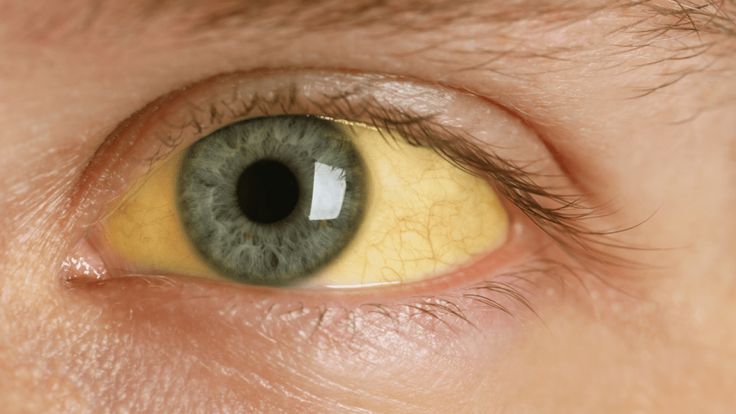
Yellow Eyes: What They Mean, Causes & Treatment
Medically reviewed content style · Sathish Gastro & Liver Hospital, Mancherial

Yellow eyes can be alarming the first time you notice them in the mirror. The whites of your eyes are supposed to stay white, so any hint of yellow is your body's way of sending a signal that something needs attention. In most cases, yellow eyes point to a buildup of a substance called bilirubin, a condition doctors call jaundice. This article explains what causes yellow eyes, which conditions are linked to it, and when you should see a doctor.
Quick Navigation
- What Are Yellow Eyes?
- How the White of the Eye Becomes Yellow
- Common Causes of Yellow Eyes
- Symptoms That May Occur Alongside Yellow Eyes
- When Yellow Eyes Are a Medical Emergency
- How Doctors Diagnose Yellow Eyes
- Treatment Options
- Home Care and Prevention
- When to See a Doctor
- Frequently Asked Questions
- Conclusion
What Are Yellow Eyes?
Yellow eyes, also called scleral icterus in medical language, describe a yellow tint in the sclera, which is the normally white part of the eye. This color change happens when a pigment called bilirubin builds up in the blood and settles into body tissues, including the eyes and skin.
Bilirubin is not something foreign to your body. It is a natural byproduct made every day when old red blood cells break down. The liver's job is to process this pigment and remove it through bile. When that system is working well, bilirubin levels stay low and your eyes stay white. When something disrupts the process, bilirubin rises and the eyes turn yellow.
It is worth noting that yellow eyes are a sign, not a disease by themselves. They tell you that an underlying problem exists somewhere along the path bilirubin travels, from red blood cell breakdown, through the liver, to the intestines.
How the White of the Eye Becomes Yellow
To understand yellow eyes, it helps to know the basic journey of bilirubin in the body:
- Red blood cell breakdown: Red blood cells live for about three to four months. When they wear out, the spleen breaks them down and releases a substance that turns into unconjugated bilirubin.
- Liver processing: The liver takes up this bilirubin and changes it into a water-soluble form called conjugated bilirubin, which is easier for the body to remove.
- Bile transport: Conjugated bilirubin travels with bile through small tubes called bile ducts into the small intestine.
- Elimination: Most bilirubin leaves the body through stool, giving stool its normal brown color, while a small amount is removed through urine.
If any step in this chain slows down or gets blocked, bilirubin backs up into the bloodstream. Because the sclera has a high content of a protein called elastin, which binds bilirubin easily, yellowing often shows up in the eyes before it becomes obvious on the skin. This is why doctors often check the eyes first when looking for early signs of jaundice.
Common Causes of Yellow Eyes
Several conditions can cause bilirubin to rise and lead to yellow eyes. These causes generally fall into three categories: problems before the liver (too much bilirubin being made), problems within the liver (poor processing), and problems after the liver (blocked drainage).
Jaundice
Jaundice is the general medical term for yellowing of the eyes and skin caused by high bilirubin. It is not a single disease but a visible sign that can result from many underlying conditions listed below. Jaundice can appear suddenly, as in acute hepatitis, or develop slowly, as in chronic liver disease.
Liver Disease
Chronic liver conditions such as fatty liver disease, cirrhosis, and liver failure reduce the liver's ability to process bilirubin. As liver cells become scarred or damaged, they lose their capacity to convert and clear bilirubin efficiently, allowing it to accumulate in the blood.
Hepatitis
Hepatitis means inflammation of the liver, most often caused by viruses such as hepatitis A, B, or C, though it can also result from alcohol use, certain medications, or autoimmune conditions. Inflammation interferes with normal liver function, causing bilirubin to rise and the eyes to turn yellow, sometimes along with fatigue and nausea.
Gallstones
Gallstones are hardened deposits that form in the gallbladder. If a stone moves into the bile duct and blocks it, bile cannot flow into the intestine. This backup, called obstructive jaundice, causes bilirubin to spill into the bloodstream and often comes with sudden abdominal pain.
Pancreatic Disorders
The bile duct passes near the pancreas before reaching the intestine. Conditions such as pancreatitis or a tumor at the head of the pancreas can press on or block the bile duct, leading to painless, gradually worsening jaundice.
Hemolytic Anemia
Hemolytic anemia occurs when red blood cells break down faster than normal. This rapid destruction overwhelms the liver's capacity to process the extra bilirubin being released, even if the liver itself is healthy, resulting in yellow eyes.
Alcohol-Related Liver Damage
Long-term heavy alcohol use can cause alcoholic hepatitis, fatty liver, or cirrhosis. All of these reduce the liver's ability to metabolize bilirubin. Alcohol-related jaundice is often accompanied by abdominal swelling, confusion, or unintentional weight loss in advanced cases.
Rare Inherited Conditions
Some people are born with genetic differences that affect bilirubin processing. Gilbert syndrome is the most common and generally harmless, causing mild, intermittent yellowing during stress or illness. Rarer inherited disorders, such as Crigler-Najjar syndrome or Dubin-Johnson syndrome, can cause more persistent jaundice and require specialist evaluation.
| Cause | Where the Problem Occurs | Typical Onset |
|---|---|---|
| Hepatitis (viral, alcoholic, autoimmune) | Liver | Days to weeks |
| Cirrhosis / chronic liver disease | Liver | Months to years |
| Gallstones blocking bile duct | After the liver (bile duct) | Sudden |
| Pancreatic tumor or pancreatitis | After the liver (bile duct) | Gradual |
| Hemolytic anemia | Before the liver (red blood cells) | Variable |
| Gilbert syndrome | Liver (mild enzyme difference) | Intermittent, lifelong |
| Newborn jaundice | Immature liver | First days of life |
Symptoms That May Occur Alongside Yellow Eyes
Yellow eyes rarely occur alone. Depending on the cause, other symptoms often appear at the same time or shortly after. Recognizing these symptom patterns can help you and your doctor narrow down the cause.
| Symptom Combination | Possible Condition |
|---|---|
| Yellow eyes + dark urine + pale stools | Bile duct blockage (gallstones, tumor) |
| Yellow eyes + fever + fatigue + nausea | Viral hepatitis |
| Yellow eyes + abdominal swelling + easy bruising | Cirrhosis or advanced liver disease |
| Yellow eyes + sudden severe upper abdominal pain | Gallstone blocking the bile duct |
| Yellow eyes + pale skin + rapid heartbeat | Hemolytic anemia |
| Yellow eyes that come and go with stress or fasting | Gilbert syndrome |
| Yellow eyes + itchy skin without pain | Bile flow problems (cholestasis) |
Other general symptoms that can accompany yellow eyes include:
- Persistent tiredness or low energy
- Loss of appetite
- Nausea or vomiting
- Itchy skin
- Unexplained weight loss
- Mild fever
- Dull ache in the upper right abdomen
When Yellow Eyes Are a Medical Emergency
Seek urgent medical care if yellow eyes appear with any of the following:
- Severe abdominal pain that does not go away
- High fever with chills
- Confusion, drowsiness, or difficulty staying alert
- Vomiting blood or passing black, tarry stools
- Rapid worsening of yellowing over a day or two
- Swelling of the abdomen with shortness of breath
- Yellow eyes appearing suddenly in a newborn with poor feeding or lethargy
These signs may point to acute liver failure, a severely infected blocked bile duct, or a rapidly progressing blood disorder. These situations need emergency evaluation, not a wait-and-see approach.
How Doctors Diagnose Yellow Eyes
Diagnosing the cause of yellow eyes starts with a detailed history and physical examination. A doctor will ask about alcohol use, medications, recent travel, family history of liver disease, and any accompanying symptoms. From there, testing usually follows a step-by-step approach:
- Liver function tests (LFTs): Measure total and direct bilirubin, along with liver enzymes like ALT, AST, and ALP, to see how the liver is functioning.
- Complete blood count (CBC): Checks for anemia or signs of increased red blood cell breakdown.
- Hepatitis virus panel: Blood tests that detect hepatitis A, B, or C infection.
- Abdominal ultrasound: A painless imaging test that looks for gallstones, bile duct blockage, or changes in liver size and texture.
- CT scan or MRI: Used for a more detailed look if ultrasound findings are unclear or a tumor is suspected.
- Liver biopsy: In select cases, a small tissue sample helps confirm conditions like cirrhosis or autoimmune hepatitis.
The combination of blood tests and imaging usually points doctors toward whether the problem lies before, within, or after the liver, which then guides the treatment plan.
Treatment Options
Treatment for yellow eyes always targets the underlying cause rather than the yellow color itself. Once bilirubin levels return to normal, the yellowing fades on its own.
| Underlying Cause | Typical Treatment Approach |
|---|---|
| Viral hepatitis | Rest, hydration, antiviral medication for certain types, monitoring of liver function |
| Gallstones blocking bile duct | Procedure to remove the stone (such as ERCP), sometimes followed by gallbladder removal |
| Cirrhosis / chronic liver disease | Managing the underlying cause, dietary changes, avoiding alcohol, medications, and monitoring for complications |
| Pancreatic tumor or stricture | Referral to a specialist for imaging-guided treatment, stenting, or surgery |
| Hemolytic anemia | Treating the cause of red blood cell breakdown, which may include medication or, rarely, blood transfusion |
| Gilbert syndrome | Usually no treatment needed; reassurance and monitoring |
| Newborn jaundice | Phototherapy (light treatment) for elevated levels, close monitoring by a pediatrician |
In many cases, once the cause is treated, bilirubin levels drop gradually and the whites of the eyes return to their normal color over one to several weeks. Doctors often repeat blood tests during treatment to confirm improvement.
Home Care and Prevention
While yellow eyes themselves need medical diagnosis, some general habits support liver health and may lower the risk of certain causes of jaundice.
Prevention Tips
- Limit or avoid alcohol, especially if you already have liver concerns
- Maintain a balanced diet with vegetables, fruits, whole grains, and lean protein
- Stay up to date with hepatitis A and B vaccinations where recommended
- Practice safe food and water hygiene to reduce hepatitis A risk
- Avoid sharing needles or unsterilized equipment to reduce hepatitis B and C risk
- Maintain a healthy weight to lower the risk of fatty liver disease
- Use medications, including over-the-counter pain relievers, only as directed, since overuse can strain the liver
- Get regular checkups if you have a family history of liver or blood disorders
When to See a Doctor
You should schedule a medical evaluation if you notice any yellow tint in the whites of your eyes, even if it seems mild. Because yellow eyes can point to conditions ranging from harmless to serious, professional evaluation is the only reliable way to know which applies to you.
Contact a doctor promptly if yellow eyes are:
- New or getting darker over a few days
- Paired with pain, fever, or digestive symptoms
- Occurring in a newborn baby
- Present alongside dark urine or pale stools
- Happening in someone with known liver disease, heavy alcohol use, or hepatitis exposure

Dr. Sathish Chander Gadigoppula and the team at Sathish Gastro & Liver Hospital, Mancherial, offer evaluation and treatment for jaundice, liver disease, and related digestive conditions.
Visit Sathish Gastro & Liver HospitalFrequently Asked Questions
What does it mean when your eyes turn yellow?
Yellow eyes usually mean there is too much bilirubin in your blood, a condition called jaundice. Bilirubin is a yellow pigment made when old red blood cells break down. Normally the liver removes it, but if the liver is damaged, a bile duct is blocked, or red blood cells are breaking down too fast, bilirubin builds up and turns the whites of the eyes yellow. It can be caused by hepatitis, gallstones, liver disease, or certain blood disorders, and it should be checked by a doctor.
Can yellow eyes go away on their own?
Mild yellowing from a temporary cause, such as a short viral illness, may fade once the underlying problem clears. However, yellow eyes should never be ignored, because they can also signal a serious condition like blocked bile ducts, hepatitis, or liver failure that will not improve without treatment. Seeing a doctor for testing is the safest way to know whether the cause is minor or serious.
Is yellow eyes always a sign of liver disease?
No. While liver disease is a common cause, yellow eyes can also come from gallstones blocking bile flow, pancreatic tumors, hemolytic anemia (rapid breakdown of red blood cells), certain infections, and inherited conditions like Gilbert syndrome. A doctor uses blood tests and imaging to find the exact cause rather than assuming it is always the liver.
What blood tests check for yellow eyes?
Doctors typically order a liver function test panel, which measures total and direct bilirubin, liver enzymes (ALT, AST, ALP), and albumin. A complete blood count can check for anemia or red blood cell breakdown. Depending on results, hepatitis virus panels, an abdominal ultrasound, or a CT scan may follow to look at the liver, gallbladder, and bile ducts.
Can dehydration cause yellow eyes?
Dehydration alone does not usually cause true yellow eyes, since it does not raise bilirubin levels. It can make urine darker and eyes look duller or drier, which people sometimes mistake for yellowing. If the whites of the eyes are genuinely yellow rather than just dull, this points to a bilirubin problem and needs medical evaluation, not just fluids.
How long does it take for yellow eyes to clear after hepatitis?
With acute viral hepatitis, jaundice often starts to improve within a few weeks as the liver heals, though it can take one to two months for the eyes and skin to return to normal color. Recovery time depends on the type of hepatitis, the severity of liver inflammation, and the person's overall health. A doctor can monitor bilirubin levels with blood tests to track improvement.
Are yellow eyes an emergency?
Yellow eyes are not always an emergency, but they can be when they appear suddenly along with severe abdominal pain, high fever, confusion, vomiting blood, or dark urine with pale stools. These combinations can point to a blocked bile duct with infection or acute liver failure, both of which need urgent care. Any new yellowing of the eyes should be evaluated by a doctor promptly.
Can newborns have yellow eyes and is it dangerous?
Newborn jaundice is common because a baby's liver is still maturing and cannot process bilirubin as quickly as an adult's. Mild cases often improve within one to two weeks. However, high or rapidly rising bilirubin levels in newborns can be dangerous and require phototherapy or other treatment, so pediatricians closely monitor jaundiced newborns with regular checks.
What foods help with yellow eyes caused by liver problems?
No food cures jaundice, but supporting liver health can help recovery once a doctor treats the underlying cause. Helpful habits include eating balanced meals with vegetables, fruits, and lean protein, staying well hydrated, avoiding alcohol, and limiting fried or heavily processed foods. These steps support the liver's natural healing process rather than replacing medical treatment.
Can stress cause yellow eyes?
Stress by itself does not raise bilirubin or turn the eyes yellow. However, in people with Gilbert syndrome, an inherited and generally harmless condition, physical stress such as illness, fasting, or lack of sleep can trigger mild, temporary yellowing because the liver processes bilirubin more slowly under those conditions. Persistent or worsening yellow eyes still warrant a medical check.
Conclusion
Yellow eyes are a visible clue that bilirubin has built up somewhere along its normal path through the body. The cause can be as mild as an inherited enzyme difference or as serious as acute liver failure or a blocked bile duct. Because the range of possible causes is wide, yellow eyes should always prompt a medical evaluation rather than a guess. With the right blood tests and imaging, doctors can usually identify the cause quickly and start treatment that addresses the root problem, allowing the eyes to return to their normal white color over time.
If you or a family member has noticed yellow eyes, do not wait for other symptoms to appear. Early evaluation leads to earlier treatment and better outcomes, whether the cause turns out to be simple or complex.
This article is for general educational purposes and does not replace professional medical advice, diagnosis, or treatment. Always consult a qualified healthcare provider for concerns about your health. If you are experiencing severe symptoms, seek emergency medical care immediately.