 Welcome Sathish Gastro & Liver Hospital In Mancherial


Gallbladder Removal: What Are the Side Effects?
Cholecystectomy is one of the most common surgeries performed today — and most of what follows it is mild, predictable, and temporary. Here's what actually happens to your body afterward.
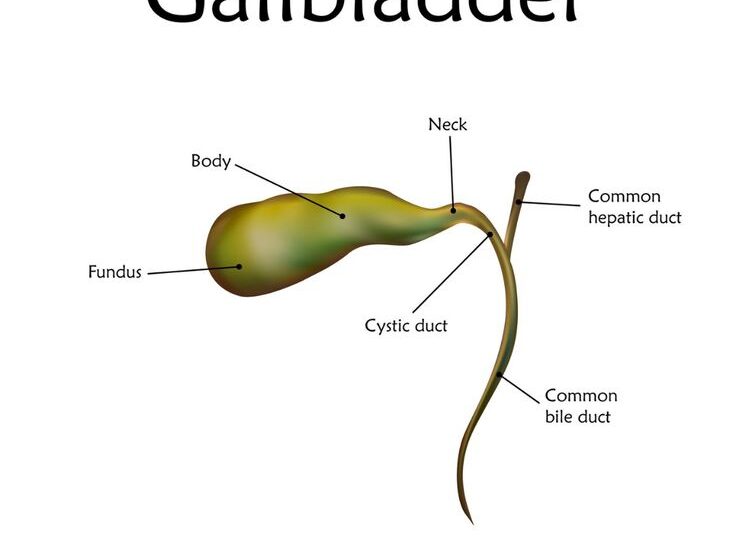
The gallbladder's job is simple: it stores and concentrates bile made by the liver, then releases it in a burst when you eat a fatty meal. Once it's removed — usually for gallstones — that storage function goes away, but the liver keeps making bile regardless. That single change explains almost every side effect people notice afterward.
Most of these effects are short-lived and manageable. A smaller number of people notice longer-term digestive changes. Here's a breakdown of both, plus the warning signs that need urgent attention.
Most common in the first few weeks as your digestive system adjusts.
Looser stools, especially after fatty meals
Without stored, concentrated bile, fat digestion becomes less efficient right after eating rich or oily food. This often shows up as looser stools or mild diarrhoea, particularly with fried food, red meat, or heavy dairy.
For most people, this improves over a few weeks to months as the body adapts to a steady bile drip instead of an on-demand release.
Bloating and increased gas
Changed bile flow and reduced fat absorption efficiency can lead to more gas and a feeling of fullness or bloating after meals — usually most noticeable in the first month, tapering off as your gut adjusts.
Shoulder tip pain (laparoscopic surgery)
Carbon dioxide gas used to inflate the abdomen during laparoscopic surgery can irritate the diaphragm, which shares nerve pathways with the shoulder. This causes a dull ache in the shoulder tip that has nothing to do with the shoulder itself — it typically fades within 2–3 days as the gas is absorbed.
Soreness or bruising at the incision points
Mild soreness, tightness, or bruising around the small laparoscopic incisions is normal and generally resolves within a week or two. Keeping the area clean and dry helps avoid irritation.
Most recovery is straightforward, but a small number of complications need urgent attention. Contact your hospital right away if you notice:
- Fever or chills
- Yellowing of the skin or eyes (jaundice)
- Severe or worsening abdominal pain
- Persistent vomiting
- Redness, swelling, or fluid leaking from an incision
For the large majority of people, side effects fade within a few weeks and daily life — including eating most foods — returns to normal. A smaller group continues to notice mild digestive sensitivity to very fatty or fried meals long-term, which is usually managed just by moderating those foods rather than avoiding them entirely.
A minority of patients experience what's called post-cholecystectomy syndrome — ongoing bloating, discomfort, or altered bowel habits beyond the usual recovery window. This is worth discussing with your gastroenterologist, since it can often be managed with dietary adjustment or medication, and it's also important to rule out other causes.
Is it normal to have loose motions after gallbladder removal?
Why does my shoulder hurt after laparoscopic gallbladder surgery?
What is post-cholecystectomy syndrome?
When should I worry after gallbladder surgery?
Recovering from gallbladder surgery?
If your symptoms feel outside the ordinary, or you'd like a personalised post-surgery diet plan, our specialists are here to help.
Talk to Our Specialists