 Welcome Sathish Gastro & Liver Hospital In Mancherial



Stomach Ulcers: Causes, Symptoms, and Treatment Options
Sathish Gastro & Liver Hospital, Mancherial • Digestive health guide • Updated August 2026
A burning pain in the upper belly that comes and goes, especially between meals or at night, is one of the most common ways an ulcer first shows up. Many people brush it off as "just acidity" and reach for an antacid, but an untreated ulcer can slowly get worse and, in some cases, lead to serious complications. This guide covers what ulcers actually are, what causes them, how to recognize the warning signs, and how they're diagnosed and treated.
What Is a Stomach Ulcer?
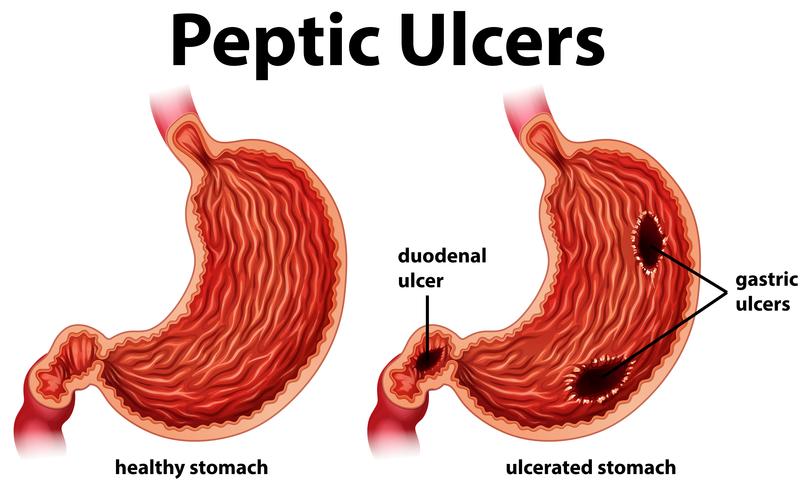
A stomach ulcer, also called a gastric ulcer, is an open sore that forms on the inner lining of the stomach. It happens when the protective mucus layer that normally shields the stomach wall from acid gets worn down, allowing acid to damage the tissue underneath. Ulcers that form in the first part of the small intestine (the duodenum) are called duodenal ulcers. Together, gastric and duodenal ulcers are known as peptic ulcers.
What Causes Ulcers?
For a long time, ulcers were blamed almost entirely on stress and spicy food. We now know the real picture is different — two causes are responsible for the vast majority of cases.
1. H. pylori Infection
Helicobacter pylori is a common bacterium that infects the stomach lining. It weakens the protective mucus layer and allows acid to damage the tissue beneath it. This infection is the leading cause of peptic ulcers worldwide and often spreads through contaminated food, water, or close contact, frequently acquired in childhood without causing symptoms for years.
2. Long-Term Use of NSAIDs
Regular use of nonsteroidal anti-inflammatory drugs — common painkillers like ibuprofen, aspirin, and diclofenac — can irritate and erode the stomach lining, especially when taken frequently, in high doses, or over a long period of time, and particularly on an empty stomach.
Other Contributing Factors
- Smoking — slows healing and increases acid production
- Heavy alcohol use — irritates and erodes the stomach lining
- Excess stomach acid production — sometimes linked to rare conditions like Zollinger-Ellison syndrome
- Severe physical stress — such as major illness, burns, or surgery, which can trigger what are called stress ulcers
- Family history — genetics can play a role in susceptibility
Contrary to popular belief, emotional stress and spicy food don't directly cause ulcers, though they can make existing symptoms feel worse.
Common Symptoms of a Stomach Ulcer
- A burning or gnawing pain in the upper abdomen, often between the navel and breastbone
- Pain that improves temporarily after eating or taking an antacid, then returns a few hours later
- Pain that wakes you up at night
- Bloating and excessive burping
- Nausea or occasional vomiting
- Feeling full quickly or loss of appetite
- Unintentional weight loss
Ulcer pain often follows a pattern — some people feel worse on an empty stomach, while others feel worse shortly after eating, depending on whether the ulcer is in the stomach or the duodenum.
⚠ Warning Signs That Need Immediate Medical Attention
A bleeding or perforated ulcer is a medical emergency. Seek urgent care if you notice:
- Vomiting blood, or vomit that looks like coffee grounds
- Black, tarry, or bloody stools
- Sudden, severe, sharp abdominal pain
- A hard, rigid, or extremely tender belly
- Feeling faint, dizzy, or unusually weak
- Rapid heartbeat with low blood pressure
These signs can mean the ulcer is bleeding or has caused a hole (perforation) in the stomach or intestinal wall, both of which require emergency treatment.
Gastric vs. Duodenal Ulcers
| Feature | Gastric Ulcer | Duodenal Ulcer |
|---|---|---|
| Location | Stomach lining | First part of the small intestine |
| Pain pattern | Often worsens shortly after eating | Often improves after eating, returns 2-3 hours later |
| Common age group | More common in older adults | Often appears in younger adults |
| Main causes | H. pylori, NSAIDs | H. pylori, NSAIDs |
How Are Ulcers Diagnosed?
- Medical history and symptom review: Your doctor will ask about pain patterns, medication use (especially painkillers), and lifestyle factors.
- H. pylori testing: This can be done through a breath test, stool test, or blood test to check for active infection.
- Endoscopy (EGD): A thin, flexible camera is passed through the mouth to directly view the stomach lining and confirm an ulcer's presence, size, and location. A small tissue sample (biopsy) may be taken at the same time.
- Biopsy testing: Tissue samples can check for H. pylori infection and rule out anything more serious, such as malignancy, especially for gastric ulcers.
Treatment Options for Ulcers
The right treatment depends on what's causing the ulcer, but most cases respond very well once properly diagnosed and treated.
H. pylori Eradication Therapy
If H. pylori is found, treatment typically involves a combination of two antibiotics plus an acid-suppressing medication for one to two weeks. Completing the full course is essential — stopping early can allow the infection to persist or lead to antibiotic resistance.
Acid-Reducing Medication
Proton pump inhibitors (PPIs) or H2 blockers reduce stomach acid production, allowing the ulcer to heal and relieving pain. These are often continued for several weeks even after H. pylori treatment is complete.
Stopping or Adjusting NSAIDs
If painkillers are the cause, your doctor may recommend stopping them, switching to a different pain medication, or adding a protective medication if you need to continue them for another condition.
Lifestyle Changes
- Quitting smoking, which significantly speeds up healing
- Limiting or avoiding alcohol
- Avoiding NSAIDs unless prescribed and necessary
- Managing stress, since it can worsen symptoms even if it doesn't cause the ulcer directly
Surgery
Surgery is rarely needed today thanks to effective medication, but may be required for ulcers that don't heal with treatment, or for emergency complications like severe bleeding or perforation.
Possible Complications If Left Untreated
- Bleeding: An ulcer can erode into a blood vessel, causing internal bleeding that may be gradual (leading to anemia) or sudden and severe.
- Perforation: A deep ulcer can create a hole through the stomach or intestinal wall, allowing contents to leak into the abdominal cavity — a surgical emergency.
- Obstruction: Swelling and scarring from a long-standing ulcer can narrow the passage between the stomach and intestine, causing persistent vomiting and difficulty eating.
- Increased cancer risk: Chronic, untreated H. pylori infection is associated with a higher long-term risk of stomach cancer, which is one reason testing and treating the infection matters even beyond ulcer healing.
Prevention Tips
- Avoid regular or long-term use of NSAIDs where possible; talk to your doctor about safer alternatives for chronic pain
- If you must take NSAIDs long-term, ask your doctor about a protective medication
- Practice good hygiene to reduce the risk of H. pylori infection — wash hands and ensure safe food and water sources
- Avoid smoking and limit alcohol intake
- Don't ignore recurring stomach pain — get it checked rather than repeatedly self-treating with antacids
- Get tested for H. pylori if you have a family history of ulcers or stomach cancer
Frequently Asked Questions
Can stress alone cause an ulcer?
Emotional stress alone doesn't directly cause ulcers — the main causes are H. pylori infection and NSAID use. However, severe physical stress from major illness or surgery can trigger a different type called a stress ulcer, and everyday stress can make existing ulcer symptoms feel worse.
Does spicy food cause ulcers?
No, spicy food doesn't cause ulcers, though it can irritate an existing ulcer and worsen symptoms temporarily.
How long does it take for an ulcer to heal?
With proper treatment, most ulcers heal within 4 to 8 weeks. Healing time can vary depending on the ulcer's size, cause, and whether contributing factors like smoking or NSAID use continue.
Can an ulcer come back after treatment?
Yes, if the underlying cause isn't addressed — for example, if H. pylori isn't fully eradicated or NSAID use continues. This is why completing the full treatment course and follow-up testing matters.
Is a stomach ulcer the same as gastritis?
No. Gastritis is inflammation of the stomach lining without necessarily forming an open sore, while an ulcer is an actual break in the lining. The two share similar causes and can occur together, but they're not the same condition.
Experiencing Recurring Stomach Pain?
The specialists at Sathish Gastro & Liver Hospital, Mancherial, can accurately diagnose the cause of your symptoms — whether it's an ulcer, H. pylori infection, or something else — and guide you through effective treatment.
Book a ConsultationThis article is for general informational purposes and is not a substitute for professional medical advice. Please consult a doctor for persistent or severe abdominal symptoms.