 Welcome Sathish Gastro & Liver Hospital In Mancherial


What Is a Gas Problem?
Stomach gas refers to air or other gases that accumulate in your digestive tract — from the esophagus all the way to the large intestine. This gas is either expelled through burping (belching) or flatulence (passing gas). When gas becomes trapped or excessive, it causes discomfort, bloating, and pain.
Gas is produced naturally during digestion. The problem arises when its production exceeds the body's ability to release it efficiently, or when there is an underlying condition affecting the digestive system.

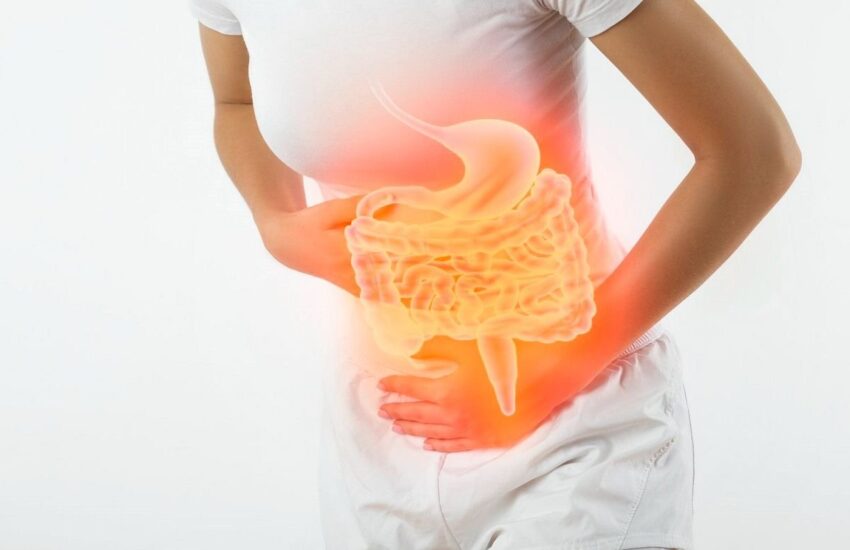
Fig 1: Stomach filled with gas and digestive fluids — a common cause of bloating and pain
Common Causes of Gas Problems
Understanding what triggers your gas problem is the first step toward relief. The causes range from simple dietary habits to complex gastrointestinal conditions.
🍽️ Dietary Triggers
- Beans, lentils & legumes
- Cruciferous vegetables (broccoli, cabbage)
- Carbonated drinks & soda
- Dairy products (lactose intolerance)
- High-fat or fried foods
- Artificial sweeteners (sorbitol, xylitol)
🏥 Medical Conditions
- Irritable Bowel Syndrome (IBS)
- Gastroesophageal Reflux Disease (GERD)
- Small Intestinal Bacterial Overgrowth (SIBO)
- Celiac disease
- Peptic ulcers
- Crohn's disease or colitis
Other Contributing Factors
- Eating too fast and swallowing excess air
- Chewing gum or sucking on hard candies
- Smoking
- Constipation slowing gas transit
- Stress and anxiety affecting gut motility
Symptoms of Gas Problems
Gas symptoms vary widely — from mildly inconvenient to genuinely painful. Here's what to watch for:
| Symptom | Description | Severity |
|---|---|---|
| Bloating | A feeling of fullness or tightness in the abdomen | Mild |
| Belching | Frequent burping after eating or drinking | Mild |
| Flatulence | Passing gas more than 20 times per day | Mild |
| Abdominal Pain | Sharp or cramping pain that may shift location | Moderate |
| Nausea | Feeling of wanting to vomit, especially after meals | Moderate |
| Chest tightness | Gas trapped near the diaphragm mimicking chest pain | Severe |
| Acid reflux | Burning sensation rising from stomach to throat | Severe |

Fig 2: Abdominal discomfort from trapped gas and intestinal inflammation is one of the most common digestive complaints
⚠️ When to See a Doctor Immediately: If your gas pain is accompanied by blood in stool, unexplained weight loss, persistent vomiting, or pain that does not go away in a few hours — consult a gastroenterologist right away.
Quick Reference: Gas Problem at a Glance
Top Food Triggers
Rajma, cabbage, carbonated drinks, whole milk, and fried snacks are the most common culprits in India.
Diagnostic Tests
Endoscopy, hydrogen breath test, stool analysis, abdominal ultrasound, and blood tests for celiac disease.
Treatment Options
Dietary changes, antacids, prokinetics, probiotics, simethicone, and treatment of underlying conditions.
Lifestyle Fixes
Eat slowly, walk after meals, avoid lying down post-eating, reduce stress, and stay hydrated.
Home Remedies
Ajwain (carom seeds), jeera water, ginger tea, hing (asafoetida), and warm lemon water work well.
See a Specialist If...
Symptoms last more than 2 weeks, there is blood in stool, sudden weight loss, or severe abdominal pain.
Treatment for Gas Problems
Treatment depends on the root cause. Here is a step-by-step approach used by our specialists at Sathish Gastro Hospital:
Dietary Modification
Eliminating trigger foods, following a low-FODMAP diet, and keeping a food diary to identify patterns is the first and most effective step.
Over-the-Counter Remedies
Simethicone (gas-relief drops), antacids, and activated charcoal can provide quick symptomatic relief for mild cases.
Probiotic Therapy
Restoring healthy gut bacteria with probiotics (like Lactobacillus or Bifidobacterium strains) reduces gas-producing bacterial overgrowth.
Prescription Medications
For conditions like IBS or SIBO, doctors may prescribe rifaximin (an antibiotic), antispasmodics, or proton pump inhibitors (PPIs) for GERD-related gas.
Endoscopy & Advanced Diagnosis
If symptoms are persistent or severe, our gastroenterologists perform an endoscopy or colonoscopy to rule out structural or inflammatory causes.
Effective Home Remedies for Gas Relief
Many traditional Indian remedies are clinically backed and work well for mild to moderate gas problems:
- Ajwain (Carom Seeds): Chew ½ tsp with warm water — contains thymol which stimulates digestive enzymes
- Jeera Water: Boil 1 tsp cumin seeds in water; drink warm to reduce bloating
- Ginger Tea: Anti-inflammatory properties reduce gas and nausea effectively
- Hing (Asafoetida): Mix a pinch in warm water — a powerful carminative remedy
- Warm Lemon Water: Stimulates bile production and aids digestion
- Peppermint Oil Capsules: Clinically proven to relax intestinal muscles and reduce IBS-related gas
How to Prevent Gas Problems
✅ Do This
- Eat slowly and chew food thoroughly
- Walk for 15–20 minutes after meals
- Drink plenty of water through the day
- Eat smaller, more frequent meals
- Include probiotics (yogurt, buttermilk)
❌ Avoid This
- Eating too fast or talking while eating
- Drinking through straws
- Lying down immediately after eating
- Smoking and excess alcohol
- Skipping meals or over-eating
Frequently Asked Questions (FAQs)
Here are answers to the most common questions our patients ask about gas problems:
Excessive gas is commonly caused by swallowing air while eating, consuming gas-producing foods like beans or carbonated drinks, lactose intolerance, IBS, or bacterial overgrowth (SIBO). Identifying the root cause is key to effective treatment.
Consult a gastroenterologist if your gas pain is severe, persistent (lasting more than 2 weeks), or accompanied by symptoms like blood in stool, unexplained weight loss, vomiting, or significant changes in bowel habits.
For quick relief, try walking, applying a warm compress to your abdomen, drinking warm ginger or peppermint tea, or taking over-the-counter simethicone. Avoiding carbonated beverages and lying down can also help.
Occasional gas is completely normal. However, chronic or severe gas may indicate conditions such as GERD, IBS, Crohn's disease, celiac disease, or peptic ulcers. A gastroenterologist should evaluate any persistent symptoms.
Limit or avoid beans, lentils, broccoli, cabbage, onions, carbonated drinks, fried foods, dairy products (if lactose intolerant), and artificial sweeteners like sorbitol and mannitol.
Yes. The gut-brain connection is well-established. Stress and anxiety can alter gut motility, increase sensitivity to pain, and disrupt the gut microbiome — all of which contribute to gas, bloating, and digestive discomfort.
Common diagnostic tests include a hydrogen breath test (to detect SIBO or lactose intolerance), upper endoscopy, abdominal ultrasound, stool analysis, colonoscopy, and blood tests for conditions like celiac disease.
Still Struggling with Gas Problems?
Don't let digestive discomfort affect your quality of life. Our expert gastroenterologists at Sathish Gastro Hospital are here to help.
📞 Book Your Appointment