 Welcome Sathish Gastro & Liver Hospital In Mancherial



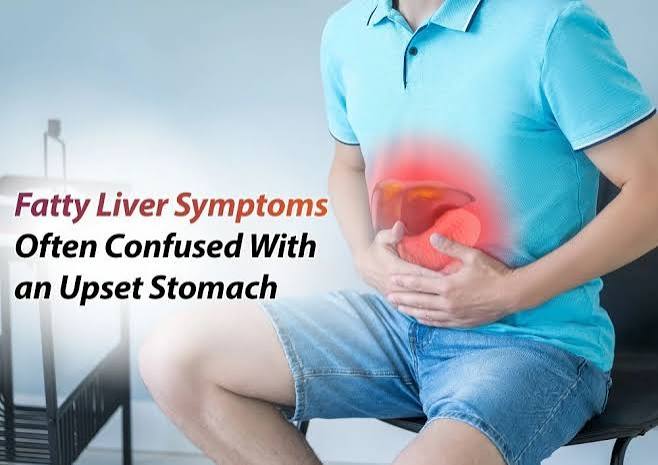
Stomach Pain, Bloating & Burning — Is It Really Fatty Liver?
It's a common assumption: "I have fatty liver, so that must be why my stomach hurts." The truth is usually more complicated — and worth untangling properly.
If you've been told you have fatty liver and you're also dealing with stomach pain, a bloated feeling, or a burning sensation, it's natural to connect the two. But in most cases, these symptoms aren't actually coming from the liver at all — they're coming from the stomach, and the two conditions just happen to be showing up in the same person.
Understanding the difference matters, because treating the wrong one won't make the discomfort go away.
The liver doesn't have pain receptors spread through its own tissue the way skin or muscle does. That means fat building up inside liver cells — even a meaningful amount of it — typically produces no sensation at all. Most people with fatty liver find out from a routine ultrasound or blood test, often while being checked for something unrelated, like a general health screening or diabetes follow-up.
This is exactly why fatty liver is sometimes called a "silent" condition — and why assuming it explains every stomach symptom can mean the actual cause goes unchecked.
These symptoms are common on their own, with or without fatty liver.
Acidity and acid reflux (GERD)
A burning sensation rising from the upper stomach, sometimes into the chest or throat, is classic acid reflux — often triggered by spicy or oily food, large meals, or lying down soon after eating. This is a stomach-lining and valve issue, unrelated to how much fat is stored in the liver.
Gastritis or H. pylori infection
Inflammation of the stomach lining — sometimes linked to an H. pylori infection, frequent painkiller use, or irregular eating habits — can cause a gnawing or burning pain, often worse on an empty stomach. It responds to its own specific treatment, separate from anything liver-related.
Trapped gas and indigestion
Bloating (the "potta ubbaram" feeling) is frequently just gas and slow digestion — related to meal size, certain foods, or eating pace, rather than the liver. It can feel uncomfortable and tight without indicating anything serious.
When fatty liver does cause symptoms
In more advanced cases — significant fat buildup, inflammation (NASH), or early fibrosis — some people do notice a dull heaviness or discomfort under the right ribs, along with fatigue. It tends to feel like pressure rather than burning, and usually develops gradually rather than appearing suddenly after a meal.
Most stomach discomfort is manageable, but get checked without delay if you notice:
- Severe or worsening abdominal pain
- Black or tarry stools, or vomiting blood
- Unexplained weight loss
- Yellowing of the skin or eyes
- Pain that wakes you up at night or doesn't ease with usual remedies
A liver function test (LFT) and abdominal ultrasound will confirm whether fatty liver is present and roughly how advanced it is. If stomach pain, burning, or bloating continues, an upper GI endoscopy looks directly at the stomach lining — a separate, equally important check, since the two organs need to be evaluated on their own terms.
Treating presumed fatty liver with diet changes alone, while ignoring an active gastritis or reflux issue, often means the real source of discomfort keeps getting missed.
Can fatty liver cause stomach pain and bloating?
Why does fatty liver have no symptoms in early stages?
What usually causes a burning sensation in the stomach?
How can I know for sure if my symptoms are from fatty liver?
Stop guessing which organ is causing it
A simple set of tests can tell your liver and stomach apart — and point you to the right treatment, not just the nearest guess.
Book a Liver & Stomach Check-up