 Welcome Sathish Gastro & Liver Hospital In Mancherial


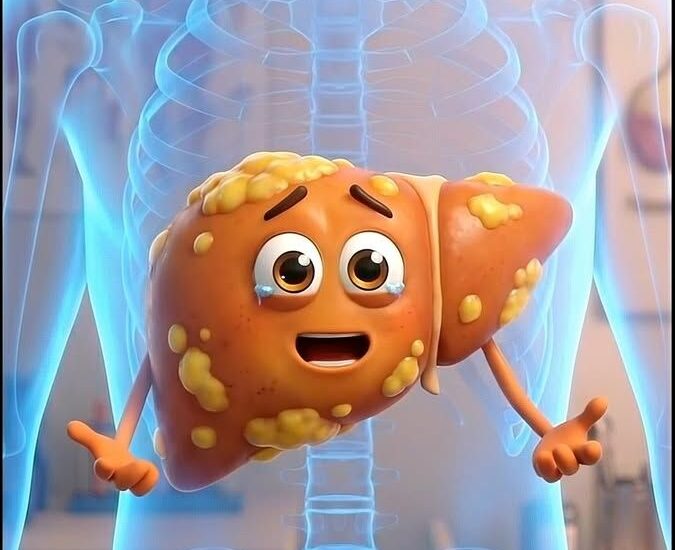
Fatty Liver: Causes, Symptoms, Stages, and How to Reverse It
A complete, evidence-based guide to fatty liver disease (MASLD/NAFLD, MASH/NASH, and alcohol-related fatty liver) — written in plain English for patients, caregivers, and anyone who wants a healthier liver.
1. What Is Fatty Liver?
Fatty liver is a condition where excess fat builds up inside liver cells, making up more than 5–10% of the liver's weight. It is often caused by obesity, insulin resistance, poor diet, or heavy alcohol use. In its early stage it usually causes no symptoms, but over years it can progress to inflammation, scarring, and liver failure if untreated.
Fatty liver, medically called hepatic steatosis, happens when fat accumulates in the liver faster than the liver can burn it off or export it. A healthy liver contains very little fat. When fat content rises above roughly 5% of the liver's total weight, doctors classify the condition as fatty liver disease.
Fatty liver is now one of the most common liver conditions in the world. Global data cited by liver associations suggest that roughly one in four adults has some degree of fatty liver, and the number is rising alongside obesity and type 2 diabetes. The encouraging news is that fatty liver — especially in its early stages — is often reversible with diet, weight loss, and lifestyle change.
2. How the Liver Works
The liver is the body's largest internal organ and one of its hardest-working. It sits under the right ribcage and performs more than 500 essential functions, including:
- Metabolism: converting food into energy, storing glucose as glycogen, and processing fats and proteins.
- Detoxification: filtering the blood to remove toxins, drugs, alcohol byproducts, and metabolic waste.
- Bile production: making bile, which helps digest fat and absorb fat-soluble vitamins (A, D, E, K).
- Protein synthesis: producing albumin and clotting factors that keep blood volume and clotting normal.
- Immune support: housing immune cells (Kupffer cells) that filter bacteria and antigens from the gut.
Because the liver handles fat metabolism directly, it is uniquely vulnerable to fat accumulation when the body takes in more calories — particularly from sugar, refined carbohydrates, and alcohol — than it can use or store elsewhere.
3. Liver Anatomy
The liver is divided into a larger right lobe and a smaller left lobe, further split into eight functional segments, each with its own blood supply and bile drainage. It receives blood from two sources:
- The hepatic artery, which delivers oxygen-rich blood from the heart.
- The portal vein, which carries nutrient-rich (and toxin-rich) blood directly from the intestines.
Inside the liver, blood flows through microscopic channels called sinusoids, past rows of liver cells (hepatocytes) arranged in units called lobules. It is inside these hepatocytes that fat droplets accumulate in fatty liver disease. Surrounding the hepatocytes are stellate cells, which, when repeatedly triggered by inflammation, lay down the scar tissue seen in fibrosis and cirrhosis.
4. Types of Fatty Liver
MASLD (formerly NAFLD)
Metabolic dysfunction-Associated Steatotic Liver Disease (MASLD) is the new name — adopted by AASLD and EASL in 2023 — for what was previously called Non-Alcoholic Fatty Liver Disease (NAFLD). The name change reflects a better understanding that this type of fatty liver is driven by metabolic problems: obesity, insulin resistance, type 2 diabetes, and high blood lipids — not alcohol.
When MASLD progresses to include liver inflammation and cell damage, it is called MASH (Metabolic dysfunction-Associated SteatoHepatitis), the modern term for what used to be called NASH (Non-Alcoholic SteatoHepatitis).
Alcohol-Related Fatty Liver Disease (ALD)
This form results from regular, heavy alcohol consumption, which overwhelms the liver's ability to metabolize alcohol safely. It follows a similar path — fat buildup, then inflammation (alcoholic hepatitis), then fibrosis, then cirrhosis — but is driven primarily by alcohol rather than metabolic disease. Some people have overlapping risk factors from both categories.
5. Causes of Fatty Liver
Fatty liver develops when the body's fat-processing balance is disrupted. Common underlying causes include:
| Cause | How It Contributes |
|---|---|
| Obesity / excess body fat | Increases fatty acid delivery to the liver and drives insulin resistance. |
| Insulin resistance / type 2 diabetes | Impairs the body's ability to regulate blood sugar and fat storage, pushing fat into the liver. |
| High-sugar, high-refined-carb diet | Excess fructose and refined carbs are converted directly into liver fat. |
| Heavy or regular alcohol use | Alcohol metabolism produces byproducts that promote fat storage and liver cell injury. |
| High cholesterol / triglycerides | Excess circulating lipids are deposited in liver tissue. |
| Rapid weight loss or malnutrition | Can paradoxically mobilize fat into the liver faster than it can be cleared. |
| Certain medications | Some steroids, tamoxifen, and other drugs are linked to drug-induced fatty liver. |
| Genetic factors | Variants such as the PNPLA3 gene increase susceptibility independent of weight. |
| Polycystic ovary syndrome (PCOS) | Associated insulin resistance raises fatty liver risk in women. |
| Sleep apnea | Intermittent low oxygen levels are linked with liver fat accumulation and inflammation. |
6. Risk Factors
| Risk Factor | Why It Matters |
|---|---|
| Body Mass Index (BMI) ≥ 25 | Overweight and obesity are the strongest predictors of MASLD. |
| Waist circumference | Central (belly) fat correlates more strongly with liver fat than overall weight. |
| Type 2 diabetes / prediabetes | Present in a large share of people with MASH. |
| Age over 45–50 | Risk of fibrosis rises with age and years of metabolic stress. |
| Family history | Genetics can raise susceptibility even at a normal weight ("lean MASLD"). |
| Sedentary lifestyle | Low physical activity reduces the body's ability to burn stored fat. |
| High alcohol intake | Regular heavy drinking directly damages liver cells. |
| Metabolic syndrome | The combination of high blood pressure, high blood sugar, and abnormal cholesterol multiplies risk. |
7. Symptoms of Fatty Liver
Most people with fatty liver have no noticeable symptoms, especially early on. When symptoms do appear, they are often vague: fatigue, mild right-upper-abdomen discomfort, and general weakness. More specific signs — jaundice, swelling, and confusion — usually only appear once the disease has advanced to fibrosis or cirrhosis.
| Symptom | Typical Stage |
|---|---|
| No symptoms at all | Simple fatty liver (most common) |
| Fatigue / low energy | Early to advanced |
| Dull ache in the upper-right abdomen | Early to MASH |
| Unexplained weight loss | MASH / fibrosis |
| Enlarged liver (felt by a doctor) | MASH / fibrosis |
| Yellowing skin or eyes (jaundice) | Advanced fibrosis / cirrhosis |
| Swollen abdomen (ascites) or legs | Cirrhosis |
| Easy bruising or bleeding | Cirrhosis |
| Confusion or memory issues (encephalopathy) | Advanced cirrhosis |
| Intense itching | Advanced liver disease |
8. Early Symptoms
In the earliest stage, fatty liver is often called a "silent" disease. When subtle symptoms do occur, they may include:
- Mild, persistent tiredness
- A vague sense of fullness or discomfort below the right ribs
- Slightly elevated liver enzymes discovered incidentally on a routine blood test
- Mild weight gain, especially around the abdomen
Because these signs are so nonspecific, fatty liver is frequently found by accident — for example, during an ultrasound or blood panel ordered for an unrelated reason.
9. Advanced Symptoms
As fatty liver progresses toward fibrosis and cirrhosis, symptoms become more noticeable and specific:
- Jaundice (yellow skin/eyes) from impaired bilirubin processing
- Ascites — fluid buildup causing visible abdominal swelling
- Edema — swelling in the ankles and legs
- Spider-like blood vessels visible on the skin (spider angiomas)
- Easy bruising or bleeding due to reduced clotting-factor production
- Confusion, poor concentration, or personality changes (hepatic encephalopathy) caused by toxin buildup the liver can no longer filter
- Dark urine and pale stools
10. Stages of Fatty Liver Disease
Fatty liver disease develops along a spectrum. Not everyone progresses through every stage, and progression can often be slowed or stopped with treatment.
Stage 1: Simple Fatty Liver (Steatosis)
Fat accumulates in liver cells but there is little or no inflammation or scarring. This stage is usually reversible with lifestyle changes and carries a relatively low risk of progression on its own.
Stage 2: MASH / NASH
The liver becomes inflamed, and cells begin to show damage (ballooning) under the microscope. This stage carries a meaningfully higher risk of progressing to scarring and requires more active medical management.
Stage 3: Fibrosis
Ongoing inflammation causes scar tissue to build up around liver cells and blood vessels. The liver can still function relatively well, and fibrosis can sometimes be partially reversed if the underlying cause is treated early.
Stage 4: Cirrhosis
Extensive scarring replaces healthy liver tissue, distorting the liver's structure and impairing its function. Cirrhosis is largely irreversible and raises the risk of liver failure and liver cancer, although further damage can often still be slowed.
| Stage | What's Happening | Reversibility |
|---|---|---|
| 1. Simple fatty liver | Fat buildup, minimal inflammation | Usually fully reversible |
| 2. MASH / NASH | Fat + inflammation + cell damage | Often reversible with treatment |
| 3. Fibrosis | Scar tissue forming | Partially reversible if caught early |
| 4. Cirrhosis | Extensive, structural scarring | Largely irreversible; damage can be slowed |
11. Diagnosis
Because fatty liver rarely causes early symptoms, diagnosis usually relies on a combination of blood work and imaging.
| Test | What It Shows |
|---|---|
| Blood Tests | Liver enzymes (ALT, AST), lipid panel, blood sugar/HbA1c, platelet count |
| Ultrasound | First-line imaging; detects fat buildup and liver size |
| FibroScan (elastography) | Measures liver stiffness to estimate fat content and fibrosis, non-invasively |
| MRI (MRI-PDFF) | Highly accurate measurement of liver fat percentage |
| CT Scan | Can detect significant fat buildup, often found incidentally |
| Liver Biopsy | Gold-standard test; confirms inflammation, ballooning, and fibrosis stage directly |
Blood Tests
Elevated ALT and AST liver enzymes are often the first clue, though enzymes can be normal even with significant fat present. Doctors also check blood sugar, HbA1c, and cholesterol/triglycerides, since these drive MASLD.
Ultrasound
An abdominal ultrasound is usually the first imaging test. It can reliably detect moderate-to-severe fat buildup but may miss milder cases.
FibroScan
This specialized ultrasound-based device measures both liver stiffness (a marker of fibrosis) and fat content (via a controlled attenuation parameter), all painlessly and in minutes.
MRI
MRI-based fat quantification (MRI-PDFF) is considered one of the most accurate non-invasive methods for measuring liver fat, often used in clinical research and complex cases.
CT Scan
A CT scan can reveal fatty liver, though it is not the preferred test since it involves radiation and is less sensitive to mild fat buildup than MRI.
Liver Biopsy
A small liver tissue sample viewed under a microscope remains the only test that definitively distinguishes simple fatty liver from MASH and precisely stages fibrosis. It's typically reserved for cases where non-invasive tests are inconclusive or advanced disease is suspected.
12. Treatment Options
| Approach | Details |
|---|---|
| Weight loss | 7–10% body weight loss is linked with measurable improvement in liver fat and inflammation |
| Dietary change | Mediterranean-style, low-sugar, low-refined-carb eating pattern |
| Exercise | 150+ minutes/week of moderate activity plus resistance training |
| Diabetes control | Managing blood sugar reduces the metabolic drivers of liver fat |
| Alcohol reduction/cessation | Essential in alcohol-related fatty liver; beneficial in MASLD too |
| Medication (as prescribed) | GLP-1 receptor agonists, pioglitazone, vitamin E (non-diabetics), and newer FDA-discussed agents such as resmetirom, used in select cases under specialist care |
| Bariatric surgery | Considered in select patients with severe obesity and MASH |
| Regular monitoring | Periodic blood tests and imaging to track fibrosis progression |
13. Lifestyle Changes
- Prioritize gradual, sustainable weight loss rather than crash diets.
- Cut added sugar and sugary drinks, a major driver of liver fat.
- Limit or eliminate alcohol, especially if ALD is suspected.
- Move more throughout the day, not just during workouts.
- Improve sleep quality and treat sleep apnea if present.
- Manage stress, since chronic stress hormones affect blood sugar and fat storage.
- Avoid unnecessary medications and supplements that stress the liver — check with a doctor first.
14. Weight Loss Strategy
Research consistently shows that weight loss is the single most effective lever for reversing fatty liver. The benefit tends to scale with the amount lost:
| Weight Lost | Typical Liver Benefit | Realistic Timeline |
|---|---|---|
| 3–5% | Reduction in liver fat (steatosis) | 1–3 months |
| 7–10% | Improvement in MASH inflammation | 4–8 months |
| 10%+ | Possible improvement or regression of fibrosis | 9–18 months |
A moderate pace of 0.5–1 kg (1–2 lb) per week through a modest calorie deficit, combined with regular activity, is considered safer and more sustainable than rapid weight loss, which can occasionally worsen liver inflammation in the short term.
15. Exercise Plan
| Activity Type | Example | Frequency |
|---|---|---|
| Aerobic exercise | Brisk walking, cycling, swimming | 150–300 min/week, moderate intensity |
| Resistance training | Bodyweight exercises, weights, resistance bands | 2–3 sessions/week |
| High-intensity interval training (HIIT) | Short bursts of intense effort | 1–2 sessions/week (if cleared by a doctor) |
| Daily movement (NEAT) | Taking stairs, walking breaks, standing more | Throughout the day |
Studies suggest exercise can reduce liver fat even without significant weight loss, by improving how muscles and the liver use fat and glucose. Consistency matters more than intensity — a sustainable routine beats an aggressive one that isn't kept up.
16. Fatty Liver Diet
The most evidence-backed eating pattern for fatty liver is a Mediterranean-style diet: rich in vegetables, fruits, whole grains, legumes, nuts, and olive oil, moderate in fish and poultry, and low in red meat, refined carbohydrates, and added sugar.
17. Foods to Eat
| Food Group | Examples | Why It Helps |
|---|---|---|
| Vegetables | Leafy greens, broccoli, peppers, garlic | Fiber and antioxidants reduce inflammation |
| Fruits (whole) | Berries, apples, citrus | Fiber slows sugar absorption vs. juice |
| Whole grains | Oats, quinoa, brown rice | Lower glycemic impact than refined grains |
| Legumes | Lentils, chickpeas, beans | Plant protein and fiber, low saturated fat |
| Fatty fish | Salmon, sardines, mackerel | Omega-3s reduce liver fat and inflammation |
| Nuts & seeds | Walnuts, almonds, flaxseed | Healthy fats support lipid profile |
| Healthy oils | Extra-virgin olive oil | Monounsaturated fat linked to lower liver fat |
| Coffee (unsweetened) | Black or with a little milk | Associated with lower fibrosis risk |
18. Foods to Avoid
People with fatty liver should limit added sugar and sugary drinks, refined carbohydrates (white bread, pastries), fried and fast food, red and processed meat, and alcohol. These foods drive fat storage in the liver, worsen insulin resistance, and promote inflammation.
| Food Group | Examples | Why to Limit |
|---|---|---|
| Added sugars | Soda, candy, pastries, sweetened cereals | Fructose converts directly to liver fat |
| Refined carbohydrates | White bread, white rice, pasta (refined) | Spikes blood sugar, promotes fat storage |
| Fried & fast food | Fries, fried chicken, fast-food burgers | High in trans/saturated fat and calories |
| Red & processed meat | Bacon, sausage, deli meats | Linked with higher MASLD risk |
| Alcohol | Beer, wine, spirits | Directly toxic to liver cells; worsens fat buildup |
| Sugary drinks/juice | Soda, sweetened juice, energy drinks | Concentrated fructose load |
| Excess salt | Packaged/processed snacks | Worsens fluid retention in advanced disease |
19. Best Fruits for Fatty Liver
- Berries (blueberries, strawberries) — high in antioxidants, low in sugar
- Apples — pectin fiber supports gut and metabolic health
- Citrus fruits (oranges, grapefruit*) — vitamin C and antioxidants
- Grapes (in moderation) — contain resveratrol, an antioxidant studied for liver health
- Avocado — technically a fruit; provides healthy monounsaturated fat
*Grapefruit can interact with certain medications — check with a pharmacist or doctor.
20. Best Vegetables for Fatty Liver
- Leafy greens (spinach, kale) — linked to lower liver fat in studies
- Broccoli & cruciferous vegetables — may help regulate fat metabolism
- Garlic — associated with reduced liver fat and BMI in trials
- Carrots & beets — antioxidants that may reduce oxidative stress
- Artichokes — traditionally used to support bile flow and digestion
21. Best Drinks for Fatty Liver
| Drink | Benefit |
|---|---|
| Water | Supports every metabolic process; no calories |
| Black coffee | Associated with lower risk of fibrosis progression |
| Green tea (unsweetened) | Contains catechins studied for liver-protective effects |
| Herbal teas | Hydration without sugar or caffeine |
| Vegetable-based smoothies (no added sugar) | Fiber and micronutrients, portion-controlled |
22. Coffee and Fatty Liver
Coffee is one of the few beverages consistently linked with liver benefits in research. Multiple studies associate regular coffee consumption (roughly 2–3 cups per day, without excess sugar or cream) with lower liver enzyme levels, reduced liver fat, and a lower risk of fibrosis progression in people with fatty liver. The protective compounds are thought to include chlorogenic acid and other antioxidants, and the effect appears to be independent of caffeine content, since decaffeinated coffee shows some benefit too.
23. Diabetes and Fatty Liver
Type 2 diabetes and fatty liver are closely linked through insulin resistance: when cells stop responding well to insulin, the body pushes more fat into the liver and blood sugar rises. Up to two-thirds of people with type 2 diabetes are estimated to have some degree of fatty liver, and having both conditions together raises the risk of progression to MASH and fibrosis. Managing blood sugar through diet, activity, weight loss, and — when prescribed — certain diabetes medications (such as GLP-1 receptor agonists) can meaningfully improve liver fat as a secondary benefit.
24. Cholesterol and Fatty Liver
High triglycerides and abnormal cholesterol (low HDL, high LDL) are core features of the metabolic syndrome that drives MASLD. Excess circulating fat is deposited into liver cells, and in turn, a fatty liver can further disrupt lipid processing — creating a two-way relationship. Managing cholesterol through diet (favoring unsaturated fats, fiber, and omega-3s), exercise, and prescribed medication when needed supports liver health alongside cardiovascular health.
25. Can Fatty Liver Be Reversed?
Yes — simple fatty liver and even early MASH can often be reversed through sustained weight loss, dietary change, exercise, and reducing or stopping alcohol. Fibrosis can sometimes improve if caught early. Cirrhosis, however, involves permanent scarring and is generally not reversible, though further damage can be slowed.
The liver has a remarkable capacity to regenerate and heal itself, more than almost any other organ. Removing the underlying driver — excess weight, high sugar intake, alcohol, or poor blood sugar control — allows liver cells to gradually clear stored fat and reduce inflammation. The earlier fatty liver is caught and addressed, the better the chances of full reversal.
26. Prevention Tips
- Maintain a healthy body weight and waist circumference
- Limit added sugar, sugary drinks, and refined carbohydrates
- Drink alcohol in moderation, or not at all
- Stay physically active most days of the week
- Get regular checkups, especially with diabetes, obesity, or a family history of liver disease
- Manage blood pressure, blood sugar, and cholesterol
- Avoid unnecessary or unsupervised use of supplements and medications
- Prioritize consistent, quality sleep
27. Common Myths vs Facts
| Myth | Fact |
|---|---|
| Only heavy drinkers get fatty liver | MASLD occurs without alcohol and is driven mainly by metabolic factors |
| Fatty liver only affects overweight people | "Lean MASLD" can occur in people with a normal BMI, especially with genetic risk or insulin resistance |
| Fatty liver always causes symptoms | Most people have no symptoms until the disease is advanced |
| Fatty liver can't be reversed | Early stages are often reversible with lifestyle change |
| Supplements alone can cure fatty liver | No supplement replaces diet, weight management, and medical care |
| Only older adults get fatty liver | It is increasingly diagnosed in children and young adults with obesity |
28. Frequently Asked Questions
What is fatty liver disease?
What are the first signs of a fatty liver?
Is fatty liver disease serious?
What foods heal a fatty liver?
How long does it take to reverse fatty liver?
Can fatty liver cause weight gain?
Does fatty liver cause pain?
What is the difference between MASLD and MASH?
Can you drink alcohol occasionally with fatty liver?
Is fruit bad for fatty liver?
Can fatty liver lead to cirrhosis?
What is the best exercise for fatty liver?
Can fatty liver be detected by blood test alone?
Is coffee good for fatty liver?
What vitamins help fatty liver?
Can children get fatty liver?
Does fatty liver affect digestion?
Can stress make fatty liver worse?
Is intermittent fasting good for fatty liver?
How is fatty liver diagnosed without a biopsy?
Can fatty liver cause fatigue?
What is a normal liver fat percentage?
29. Summary
Fatty liver disease is common, usually silent in its early stages, and closely tied to metabolic health, diet, and alcohol use. It progresses along a spectrum — from simple fat buildup, to inflammation (MASH), to scarring (fibrosis), to cirrhosis — but the earlier stages are frequently reversible. A combination of gradual weight loss, a Mediterranean-style diet low in added sugar and refined carbs, regular exercise, alcohol moderation, and control of diabetes and cholesterol gives the liver the best chance to heal. Regular checkups and non-invasive tests like ultrasound and FibroScan make it possible to catch fatty liver early — while it can still be turned around.
Sources & Further Reading
This guide draws on publicly available clinical guidance from the American Association for the Study of Liver Diseases (AASLD), the European Association for the Study of the Liver (EASL), the American Liver Foundation, the World Health Organization (WHO), the U.S. National Institutes of Health (NIH/NIDDK), and the Centers for Disease Control and Prevention (CDC). Always confirm current guidance directly with these organizations and your physician.
Suggested internal links
- What is Type 2 Diabetes? — link to your diabetes guide
- Mediterranean Diet for Beginners — link to your diet content hub
- Understanding Cholesterol Numbers — link to your heart-health section
- How to Read Your Liver Function Test Results — link to lab-test explainer
30. Medical Disclaimer
This article is for general educational and informational purposes only and is not a substitute for professional medical advice, diagnosis, or treatment. Always seek the advice of a physician, hepatologist, or other qualified health provider with any questions about a medical condition, before starting any diet, exercise, or supplement regimen, and before stopping or changing any medication. Never disregard professional medical advice or delay seeking it because of something you have read here. If you think you may have a medical emergency, call your local emergency number immediately.