 Welcome Sathish Gastro & Liver Hospital In Mancherial


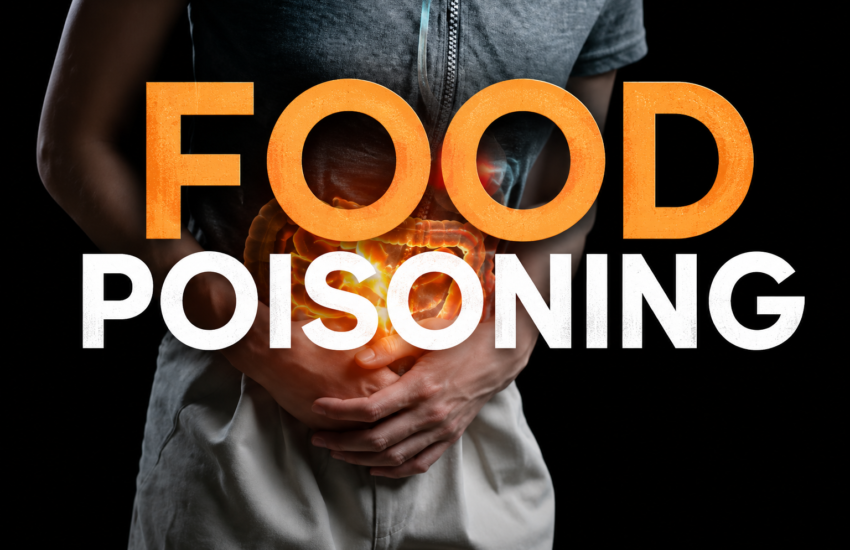
The common signs of food poisoning include nausea, vomiting, stomach cramps, diarrhea, fever, and fatigue. Symptoms usually start within 30 minutes to 8 hours after eating contaminated food and can last 1–3 days. Food poisoning is caused by bacteria (like Salmonella, E. coli), viruses (like Norovirus), or toxins in spoiled or undercooked food. Most cases improve with rest and hydration, but severe symptoms require a doctor.
Food poisoning is one of the most common digestive problems affecting people of all ages. It happens when you eat food or drink water that is contaminated with harmful germs, toxins, or chemicals.
Most people recover quickly at home. But knowing the signs of food poisoning early can help you act fast — and avoid serious complications like dehydration or organ stress.
This guide covers everything you need to know: what causes food poisoning, how to spot it early, how long it lasts, and what treatment actually works.

Contaminated foods — including undercooked proteins and unwashed produce — are among the most common triggers of food poisoning.
What Is Food Poisoning?
Food poisoning, also called foodborne illness, occurs when you consume food or water infected with pathogens — bacteria, viruses, parasites, or their toxic by-products.
It is not just an upset stomach. Depending on the pathogen and how much you consumed, food poisoning can range from mild discomfort to a serious medical emergency that needs hospitalisation.
In India, food poisoning cases peak during summer and monsoon months when food spoils faster and waterborne contamination is higher.
Signs & Symptoms of Food Poisoning
The signs of food poisoning can vary depending on which germ is responsible. However, the most common symptoms people experience are:
- Nausea — a queasy, unsettled stomach feeling, usually the very first sign
- Vomiting — often forceful and repeated, the body trying to expel the toxin
- Stomach cramps or abdominal pain — sharp or dull pain that comes in waves
- Diarrhoea — loose, watery stools; sometimes with blood if infection is severe
- Fever — mild to moderate (above 38°C), signals the immune system is fighting
- Headache & muscle aches — common with viral food poisoning like Norovirus
- Weakness and fatigue — due to fluid and electrolyte loss
- Loss of appetite — body’s natural protective response
- Excessive sweating or chills — especially with bacterial infections

Harmful bacteria multiply rapidly in the gut after consuming contaminated food, triggering pain, inflammation, and digestive upset.
How Soon Do Symptoms Start?
The time between eating contaminated food and when symptoms appear is called the incubation period. It varies widely depending on the cause:
| Cause / Pathogen | Onset Time | Duration | Severity |
|---|---|---|---|
| Staphylococcal toxin (milk, eggs, rice) | 30 min – 6 hrs | 1–2 days | Mild–Moderate |
| Salmonella (poultry, eggs, dairy) | 6–48 hrs | 4–7 days | Moderate |
| E. coli (undercooked beef, water) | 1–8 days | 5–10 days | Moderate–Severe |
| Norovirus (shellfish, produce, person-to-person) | 12–48 hrs | 1–3 days | Mild–Moderate |
| Campylobacter (raw chicken, unpasteurised milk) | 2–5 days | 2–10 days | Moderate |
| Listeria (soft cheese, deli meats) | 1–30 days | Days–weeks | Severe |
| Botulinum toxin (canned or preserved food) | 12–36 hrs | Weeks (needs treatment) | Very Severe |
What Causes Food Poisoning?
Food poisoning happens when food is contaminated at any point — during production, preparation, storage, or serving. The main causes are:
1. Bacteria
The most common cause. Bacteria thrive in food left at room temperature for too long, especially protein-rich foods like meat, poultry, eggs, and dairy.
- Salmonella — undercooked chicken, raw eggs, unpasteurised milk
- Escherichia coli (E. coli) — undercooked beef, contaminated water
- Staphylococcus aureus — handled food left unrefrigerated
- Campylobacter — raw poultry and unpasteurised dairy
- Listeria — soft cheese, sprouts, deli meats
2. Viruses
Viruses can contaminate food through infected food handlers or unsanitary water sources.
- Norovirus — the most common viral cause of food poisoning globally
- Hepatitis A — contaminated raw shellfish or water; can affect the liver
- Rotavirus — common in children, spreads via contaminated food or surfaces
3. Parasites
Less common but serious. Parasites like Giardia lamblia and Cryptosporidium are found in contaminated water or raw produce and can cause prolonged illness.
4. Toxins & Chemicals
Some food poisoning is not caused by a live pathogen but by toxins already present in food — like aflatoxins in mouldy grains, heavy metals in contaminated water, or natural toxins in certain mushrooms and fish.
Foods That Most Often Cause Food Poisoning
- Raw or undercooked meat, chicken, and seafood
- Raw eggs and products made with raw eggs (mayonnaise, homemade ice cream)
- Unpasteurised milk and soft cheeses
- Unwashed fruits and vegetables — especially leafy greens and sprouts
- Cooked rice or pasta left at room temperature for hours
- Street food and buffet meals sitting out for long periods
- Refrigerated foods that were stored too warm or too long
- Canned foods with swollen or damaged lids
- Contaminated drinking water or ice

Persistent vomiting is one of the most distressing signs of food poisoning and can quickly lead to dehydration if left unmanaged.
Food Poisoning Treatment: What Actually Helps
For most mild-to-moderate cases, food poisoning treatment focuses on keeping the body hydrated and letting the immune system do its work. Here is what you should do:
- Rest completely. Your body needs energy to fight the infection. Avoid strenuous activity.
- Stay hydrated. Sip water, ORS (oral rehydration salts), coconut water, or clear broths every 15–20 minutes. Avoid gulping large amounts at once, which can trigger more vomiting.
- Stop eating temporarily. Give your stomach a break for the first few hours once vomiting begins.
- Start with bland foods when you feel better — rice, banana, plain toast, boiled potato, or plain khichdi work well.
- Avoid certain foods and drinks until fully recovered: dairy products, fried or spicy food, caffeine, alcohol, and high-fibre foods.
- Take ORS or electrolyte solutions to replace lost sodium and potassium, especially after diarrhoea episodes.
- Consult a doctor if symptoms are severe or worsen after 48 hours instead of improving.
Medications: What Doctors May Prescribe
Self-medicating for food poisoning can sometimes make things worse. A gastroenterologist will assess and may recommend:
- Antibiotics — only for confirmed bacterial infections like Salmonella or Campylobacter (not useful for viral causes)
- Anti-emetics — to control severe vomiting so fluids can be kept down
- IV fluids — for cases of severe dehydration, especially in children or elderly patients
- Antiparasitic medications — if parasites like Giardia are identified on stool testing
- Probiotics — to help restore gut bacteria balance after recovery
When to See a Doctor for Food Poisoning
Most food poisoning resolves at home. But certain situations need professional medical care — quickly.
Visit a gastroenterologist or emergency care if you notice:
- Fever above 39°C (102°F) that does not come down
- Blood in vomit or stool
- Inability to keep any fluids down for more than 12 hours
- Severe dehydration: dry mouth, no urination, extreme dizziness, sunken eyes
- Symptoms lasting more than 3 days with no improvement
- Symptoms in infants, elderly people, pregnant women, or immunocompromised individuals
- Neurological symptoms: double vision, muscle weakness, numbness (possible botulism)
- Severe abdominal swelling or tenderness
How to Prevent Food Poisoning
Prevention is always better than treatment. Simple food safety habits dramatically reduce your risk:
- Wash hands with soap before cooking, eating, and after using the toilet
- Cook food thoroughly — especially meat, poultry, eggs, and seafood
- Refrigerate leftovers quickly — do not leave cooked food at room temperature for more than 2 hours
- Wash fruits and vegetables under running water before eating or cooking
- Separate raw meat from other foods during preparation and storage
- Avoid unpasteurised dairy products and raw or undercooked eggs
- Check expiry dates and discard any food that smells or looks off
- Drink safe, filtered or boiled water — especially important during monsoon season
- Avoid eating at unhygienic places — choose restaurants with proper food handling practices
Frequently Asked Questions (FAQs)
Experiencing Severe Food Poisoning Symptoms?
Do not wait it out if symptoms are intense or lasting more than 2 days. Dr. Sathish Chander Gadigoppula and the expert team at Sathish Gastro & Liver Hospital, Mancherial are here to help you recover safely.
📞 Call Now: +91 99082 47108