 Welcome Sathish Gastro & Liver Hospital In Mancherial


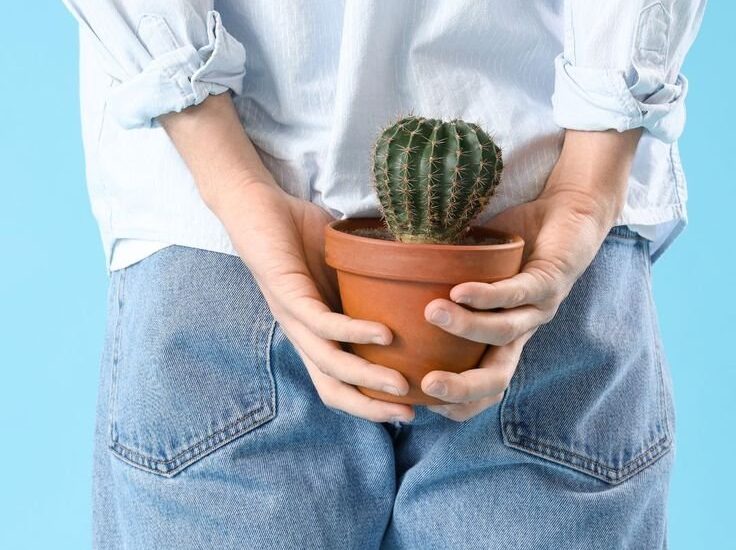
❓ What are Piles (Hemorrhoids)?
Piles, medically known as hemorrhoids, are swollen and inflamed clusters of veins in the lower rectum and anus. They are one of the most common anorectal conditions worldwide, affecting nearly 1 in 3 adults at some point in their lives.
Hemorrhoidal tissue is naturally present in everyone and helps control stool passage. Problems arise when these veins become engorged, stretched, and symptomatic — causing pain, bleeding, and discomfort during bowel movements.
There are two main types: Internal piles (inside the rectum, above the dentate line) and External piles (under the skin around the anus). Both can cause significant discomfort if left untreated.

Causes of Piles
Piles develop when the venous pressure in the lower rectum increases beyond what the surrounding tissues can support. Understanding the root causes is the first step to effective prevention.
❓ What are the most common causes of piles?
The leading causes are chronic constipation, repeated straining during defecation, a low-fibre diet, prolonged sitting, pregnancy, and obesity — all of which raise intra-abdominal pressure and weaken the supportive tissues around rectal veins.
- Chronic constipation & straining
- Low-fibre, low-fluid diet
- Prolonged sitting or standing
- Sedentary lifestyle
- Pregnancy & childbirth pressure
- Obesity & excess abdominal weight
- Chronic diarrhoea or loose stools
- Family history / genetics
- Heavy lifting & physical strain
- Ageing (tissue laxity after 45+)
- Spicy food & alcohol overuse
- Inflammatory bowel disease (IBD)
Symptoms of Piles

Symptoms can range from mildly irritating to severely debilitating depending on the grade and type of piles. Many people delay seeking help due to embarrassment — but early diagnosis leads to far simpler treatment.
❓ How do I know if I have piles?
The most telling sign is bright red bleeding after a bowel movement (blood on toilet paper or in the bowl). Other symptoms include anal itching, a burning sensation, pain during defecation, and a soft lump at the anal opening.
- Rectal bleeding — bright red blood on toilet paper or stool surface
- Itching & irritation — persistent itch around the anus
- Pain or discomfort — especially during and after bowel movements
- Swelling — a tender lump or bulge at the anal verge
- Mucus discharge — soiling of undergarments
- Feeling of incomplete evacuation — urge to pass stool even after defecation
- Prolapse — tissue protruding outside the anus (advanced grades)
- Thrombosis — acute severe pain from a clotted external pile
Persistent rectal bleeding, significant pain, or a prolapsed lump that cannot be pushed back should be evaluated by a gastroenterologist or colorectal surgeon without delay. These symptoms can occasionally indicate more serious conditions like colorectal cancer.
4-Grade Classification System
Treatment Options for Piles
The right treatment depends on the grade of piles, severity of symptoms, and individual health factors. Your gastroenterologist will recommend a stepwise approach — starting conservatively and escalating only when needed.
❓ Can piles be cured without surgery?
Yes. Grade I and II hemorrhoids typically respond very well to dietary adjustments, sitz baths, and office-based procedures. Surgery is generally reserved for Grade III–IV piles or cases that fail conservative management.
| Treatment | Grade Suitable | Procedure | Recovery | Success Rate |
|---|---|---|---|---|
| Dietary & Lifestyle Changes | I – II | High-fibre diet, increased fluids, avoid straining | Immediate | 60–70% |
| Topical Creams & Suppositories | I – II | OTC or prescription ointments to relieve itch & pain | Immediate | Symptomatic relief |
| Sitz Bath Therapy | I – III | Warm water soaks 2–3× daily for 15 minutes | Immediate | High for comfort |
| Rubber Band Ligation | I – III | Elastic band cuts off blood supply; pile falls off in 1–2 weeks | 1–3 days | 70–80% |
| Sclerotherapy (Injection) | I – II | Chemical injection shrinks hemorrhoidal tissue | 1–2 days | 60–75% |
| Infrared Coagulation (IRC) | I – II | Heat coagulates tissue to reduce blood supply | 1–2 days | 65–75% |
| Hemorrhoidectomy (Surgery) | III – IV | Surgical excision of hemorrhoidal tissue under anaesthesia | 2–4 weeks | 95%+ |
| Stapled Haemorrhoidopexy | III – IV | Circular stapler repositions and removes internal piles | 1–2 weeks | 90–95% |
| LASER Haemorrhoidoplasty | II – III | Laser energy shrinks internal hemorrhoids; minimal pain | 3–7 days | 85–90% |
Effective Home Remedies for Piles
For mild-to-moderate piles, several evidence-supported home remedies can significantly reduce symptoms and promote healing. These work best as complements to medical care — not replacements for it.
❓ What home remedies are effective for piles?
Sitz baths, witch hazel application, aloe vera gel, increased dietary fibre, Psyllium husk (Isabgol), ice packs for external swelling, and coconut oil are among the most commonly recommended and clinically supported home interventions for mild hemorrhoid symptoms.
- 🛁 Warm Sitz Baths (15 min, 3× daily)
- 🌿 Witch Hazel compress or wipes
- 🌱 Aloe Vera gel (pure, fragrance-free)
- 🌾 Psyllium Husk (Isabgol) fibre supplement
- 🫚 Coconut oil topical application
- 🧊 Cold ice packs for swelling relief
- 💧 2.5–3 litres of water daily
- 🥦 High-fibre foods: fruits, veggies, legumes
- 🚶 30-min daily walks to improve bowel transit
- 🚫 Avoid spicy food & alcohol during flare-ups
Using a footstool (like a "Squatty Potty") to elevate your feet while on the toilet mimics the natural squatting posture, reduces straining, and has been shown to decrease hemorrhoid flare-ups significantly.
Prevention of Piles
The best treatment for piles is preventing them from developing in the first place. Most hemorrhoid cases are lifestyle-related and entirely preventable with consistent habits.
❓ How can piles be prevented?
Preventing piles centres on softening stools and reducing straining. Eat a high-fibre diet (25–30 g/day), drink plenty of fluids, exercise regularly, respond promptly to the urge to defecate, and avoid prolonged sitting on the toilet.
- Eat 25–35 g of fibre daily — whole grains, lentils, fruits, and leafy vegetables
- Drink 8–10 glasses of water every day to keep stools soft
- Don't delay bowel movements — respond promptly when you feel the urge
- Avoid straining — if you haven't passed stool in 2 minutes, stop and try later
- Exercise regularly — 30 minutes of walking or yoga daily maintains healthy gut motility
- Maintain a healthy weight — obesity substantially increases pelvic floor pressure
- Limit alcohol and caffeine — both can cause dehydration and hard stools
- Avoid reading on the toilet — prolonged sitting increases venous pressure in the anal canal
- Manage chronic diarrhoea — frequent loose stools irritate and inflame haemorrhoidal tissue
- Pelvic floor exercises (Kegels) — strengthen the supporting muscles of the anorectal region
Diet & Nutrition Guide for Piles Patients
What you eat has a direct impact on haemorrhoid development and healing. A targeted dietary approach can speed up recovery and reduce recurrence significantly.
| Food Category | Recommended Foods ✅ | Foods to Avoid ❌ | Reason |
|---|---|---|---|
| Fibre Sources | Oats, whole wheat, lentils, beans, barley | White bread, maida products, refined flour | Fibre softens stool; refined carbs cause constipation |
| Fruits | Papaya, banana, pear, figs, prunes, berries | Unripe mango, dried fruits with added sugar | Papaya & prunes have natural laxative properties |
| Vegetables | Spinach, broccoli, carrots, sweet potato, okra | Raw onion in excess, pickled vegetables | Vegetables add bulk; pickles irritate rectal lining |
| Fluids | Water, coconut water, buttermilk, herbal teas | Alcohol, caffeinated drinks, sodas | Hydration keeps stools soft; alcohol dehydrates |
| Proteins | Eggs, fish, chicken, tofu, legumes | Red meat in excess, processed meats | Red meat is hard to digest and can worsen constipation |
| Spices | Cumin, coriander, turmeric, ginger | Chilli powder, hot sauce, raw garlic in excess | Spicy foods aggravate inflammation and burning |
| Dairy | Yoghurt / curd (probiotic), low-fat milk | Cheese, full-fat cream, ice cream (in excess) | Probiotics in curd aid gut motility |
When to Consult a Specialist
While many piles cases resolve with home care, certain signs warrant prompt medical evaluation by a gastroenterologist or colorectal surgeon.
- Rectal bleeding that is heavy, dark, or mixed with stool
- Pain so severe it disrupts sleep or daily activities
- A prolapsed lump that cannot be manually reduced
- Symptoms persisting beyond 2 weeks of home treatment
- Associated symptoms like weight loss, fever, or change in bowel habits
- Recurrence of piles after previous treatment
Although piles are the most common cause of rectal bleeding, this symptom should never be ignored or self-diagnosed. A colonoscopy or sigmoidoscopy may be recommended to rule out polyps, colitis, or colorectal cancer — conditions that can mimic hemorrhoid symptoms.
Get Expert Care at Sathish Gastro & Liver Clinic
Our experienced team offers comprehensive diagnosis and the full spectrum of piles treatments — from conservative management to advanced laser and surgical procedures.
📞 Book a Consultation