 Welcome Sathish Gastro & Liver Hospital In Mancherial


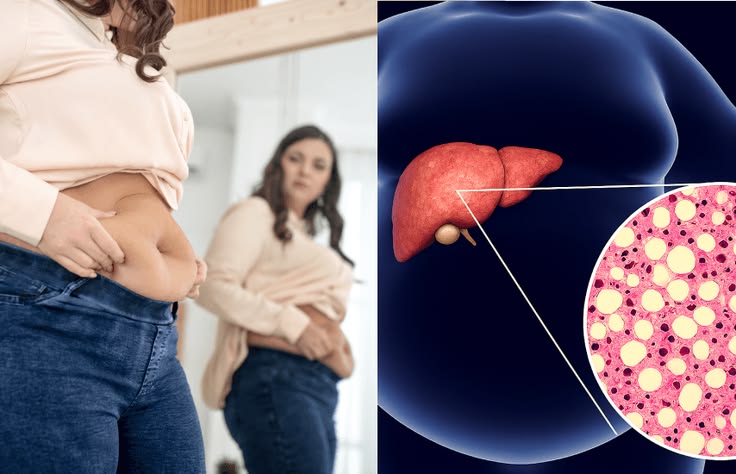
Liver Health and Weight Loss: How Much Weight Loss Can Help?
Medically reviewed content style · Sathish Gastro & Liver Hospital, Mancherial
If you have been told that you have a fatty liver, high liver enzymes, or early liver scarring, one of the most common questions is simple: how much weight do I actually need to lose to make a difference? The good news is that the liver responds to weight loss faster than many other organs, and the amount of weight loss needed to see real benefit is often smaller than people expect. This article explains how excess weight affects the liver, exactly how much weight loss helps at each stage of liver disease, and how to lose weight in a way that protects rather than stresses the liver.
Quick Navigation
- How Excess Weight Affects the Liver
- How Much Weight Loss Actually Helps the Liver
- Weight Loss Benefit by Stage of Liver Disease
- Safe Rate of Weight Loss for the Liver
- Signs Your Liver Is Improving
- When Rapid Weight Loss Becomes a Liver Risk
- How Doctors Monitor Liver Health During Weight Loss
- Weight Loss Strategies That Support Liver Health
- Prevention and Long-Term Liver Care
- When to See a Doctor
- Frequently Asked Questions
- Conclusion
How Excess Weight Affects the Liver
The liver is deeply connected to how the body stores and uses energy. When a person consistently takes in more calories than the body needs, especially from sugar and refined carbohydrates, the extra energy is converted into fat. Some of this fat is stored under the skin and around organs, but a significant portion can be stored directly inside liver cells.
Once fat makes up more than about five to ten percent of the liver's weight, doctors call this fatty liver disease. When it is not related to heavy alcohol use, it is known as non-alcoholic fatty liver disease, or NAFLD. Because this name did not fully capture the link to obesity, diabetes, and metabolic problems, doctors now increasingly use the term MASLD, or metabolic dysfunction-associated steatotic liver disease, to describe the same condition.
Excess weight, particularly fat stored around the abdomen, increases insulin resistance. This means the body's cells respond poorly to insulin, so the pancreas produces more of it. High insulin levels push the liver to make and store even more fat, creating a cycle that steadily increases liver fat over time. Left unchecked, this process can progress from simple fat buildup to inflammation, called steatohepatitis, and eventually to scarring, called fibrosis, which can advance to cirrhosis in some people.
How Much Weight Loss Actually Helps the Liver
Research on people with fatty liver disease consistently points to specific weight loss thresholds where measurable improvement occurs. These figures refer to total body weight loss, achieved gradually through diet, activity, or medical treatment, and sustained over time rather than lost and regained.
- 3 to 5% weight loss: Begins to reduce the amount of fat stored inside liver cells, visible on imaging such as ultrasound or specialized scans.
- 7 to 10% weight loss: Associated with a reduction in liver inflammation, or steatohepatitis, in a majority of people who reach and maintain this level of loss.
- More than 10% weight loss: Linked to improvement or reversal of early to moderate liver fibrosis in many people, representing the biggest potential gain for those with more advanced disease.
These are population-level findings, meaning individual results vary based on how long the liver disease has been present, whether diabetes or high cholesterol is also involved, and how the weight is lost. Still, they give a useful, realistic target: even a person weighing 80 kilograms who loses just 4 to 6 kilograms can expect to see real change in liver fat on a follow-up scan.
Weight Loss Benefit by Stage of Liver Disease
| Stage of Liver Disease | Weight Loss Target | Expected Benefit |
|---|---|---|
| Simple fatty liver (steatosis only) | 5% or more | Reduced liver fat, often normalized liver enzymes |
| Fatty liver with inflammation (steatohepatitis) | 7 to 10% | Reduced inflammation, lower risk of progression |
| Early to moderate fibrosis | More than 10% | Possible improvement or partial reversal of scarring |
| Advanced fibrosis or compensated cirrhosis | Individualized, doctor-guided | Slower disease progression, fewer complications; existing scarring may not fully reverse |
It is worth noting that once cirrhosis, meaning permanent scarring, has developed, weight loss remains valuable for overall health and for reducing strain on the liver, but it is less likely to undo the structural changes that have already occurred. This is one reason doctors emphasize catching and treating fatty liver disease at earlier, more reversible stages.
Safe Rate of Weight Loss for the Liver
How weight is lost matters almost as much as how much is lost. A steady, moderate pace allows the liver to clear fat gradually without becoming overwhelmed.
| Rate of Weight Loss | Effect on the Liver |
|---|---|
| 0.5 to 1 kg per week | Generally considered safe and effective for reducing liver fat |
| 1 to 1.5 kg per week (supervised) | May be appropriate short-term for higher body weights under medical guidance |
| Very rapid loss (crash diets, prolonged fasting) | Can temporarily worsen liver inflammation or, rarely, trigger acute liver stress |
Signs Your Liver Is Improving
Because fatty liver disease often has no dramatic symptoms, improvement is usually tracked through tests rather than how a person feels. Still, several signs can suggest the liver is responding well to weight loss:
- Falling ALT and AST levels on repeat liver function tests
- Reduced liver fat on follow-up ultrasound or specialized imaging such as FibroScan
- Improved fasting blood sugar and insulin levels
- Lower triglycerides and improved cholesterol profile
- Reduced waist circumference, which reflects less abdominal fat around the liver
- Less fatigue and improved energy levels in some people
| Test | What It Shows |
|---|---|
| Liver function test (ALT, AST, ALP) | Level of ongoing liver cell inflammation or injury |
| Abdominal ultrasound | Presence and rough amount of fat in the liver |
| FibroScan (transient elastography) | Liver stiffness, used to estimate scarring or fibrosis |
| Fasting glucose and HbA1c | Insulin resistance, closely linked to liver fat |
| Lipid profile | Triglycerides and cholesterol, often improve alongside the liver |
When Rapid Weight Loss Becomes a Liver Risk
Seek prompt medical care if rapid weight loss is accompanied by:
- Yellowing of the eyes or skin (jaundice)
- Severe pain in the upper right abdomen
- Persistent nausea, vomiting, or loss of appetite
- Marked swelling of the abdomen or legs
- Confusion or unusual drowsiness
- Very dark urine or pale, clay-colored stools
These signs can indicate that the liver is being overwhelmed, particularly after extreme dieting, prolonged fasting, or complications following weight loss surgery. This situation needs urgent evaluation rather than a wait-and-see approach.
How Doctors Monitor Liver Health During Weight Loss
Before recommending a weight loss plan for liver health, a doctor typically evaluates how advanced the liver disease already is and checks for related conditions such as diabetes or high cholesterol. Ongoing monitoring during weight loss usually includes:
- Baseline and repeat liver function tests: Track whether ALT and AST levels are trending down as weight is lost.
- Imaging such as ultrasound or FibroScan: Measures liver fat and stiffness at intervals, often every six to twelve months.
- Metabolic panel: Checks blood sugar, HbA1c, and lipid levels, since these usually improve alongside liver fat.
- Body composition tracking: Waist circumference and body weight trends help confirm that fat loss, not just muscle loss, is occurring.
- Liver biopsy (in select cases): Occasionally used when fibrosis staging needs to be confirmed directly, particularly before or after significant interventions.
Weight Loss Strategies That Support Liver Health
Not all weight loss approaches affect the liver equally. The following strategies are generally well supported for improving liver fat and liver enzymes:
Dietary Changes
Reducing added sugar, sugary drinks, and refined carbohydrates has a particularly strong effect on liver fat, since these are converted into fat efficiently by the liver. A Mediterranean-style eating pattern, rich in vegetables, whole grains, legumes, fish, and healthy fats such as olive oil, has been repeatedly linked to reduced liver fat independent of total weight loss.
Regular Physical Activity
Both aerobic exercise, such as brisk walking, cycling, or swimming, and resistance training help reduce liver fat by improving how muscles use glucose and fat for energy. Around 150 minutes of moderate activity per week is a commonly recommended target, though any consistent increase in activity offers benefit.
Gradual, Sustainable Calorie Reduction
A moderate calorie deficit that can be maintained for months, rather than an extreme short-term restriction, is more likely to produce lasting liver improvement and avoid the rebound weight regain that can undo earlier progress.
Medical and Surgical Options
For people with obesity and more advanced fatty liver disease, doctors may discuss medications that support weight loss or blood sugar control, or in some cases bariatric surgery. These options are typically considered when lifestyle changes alone have not achieved enough weight loss, and they require close liver monitoring throughout.
Prevention and Long-Term Liver Care
Maintaining liver health after initial improvement is just as important as achieving weight loss in the first place, since regained weight can bring liver fat back with it.
- Aim to maintain weight loss rather than cycling between loss and regain
- Continue regular physical activity even after reaching a target weight
- Limit alcohol intake, since it adds an additional burden to an already stressed liver
- Manage related conditions such as diabetes, high blood pressure, and high cholesterol
- Keep up with recommended liver function tests and imaging, even without symptoms
- Avoid unnecessary overuse of supplements or medications that can strain the liver
When to See a Doctor
You should speak with a doctor about your liver health and weight if any of the following apply:
- You have been told you have a fatty liver, elevated liver enzymes, or fibrosis
- You have obesity, type 2 diabetes, or high triglycerides along with excess abdominal weight
- You are planning a significant or rapid weight loss approach, including fasting programs or surgery
- You notice fatigue, mild right upper abdominal discomfort, or unexplained changes in liver test results
- You have lost weight but your liver enzymes or imaging have not improved as expected
Dr. Sathish Chander Gadigoppula and the team at Sathish Gastro & Liver Hospital, Mancherial, offer evaluation, liver imaging, and personalized weight management guidance for liver disease.
Visit Sathish Gastro & Liver HospitalFrequently Asked Questions
How much weight loss is needed to improve fatty liver disease?
Losing around 5% of body weight can start to reduce fat stored in the liver. Losing 7 to 10% of body weight can reduce liver inflammation, and losing more than 10% can improve or even reverse early liver scarring, called fibrosis, in many people. The exact amount needed varies by how advanced the liver disease already is.
Can losing weight reverse liver damage completely?
Weight loss can fully reverse simple fatty liver and can significantly improve or reverse early to moderate scarring, called fibrosis. However, if the liver has progressed to cirrhosis, meaning permanent scarring, weight loss can still help slow the disease and reduce complications, but it usually cannot undo the existing scar tissue.
How fast should I lose weight for liver health?
A gradual pace of about half a kilogram to one kilogram per week is generally considered safe for the liver. Very rapid weight loss, such as from extreme calorie restriction or some weight loss surgeries without medical supervision, can temporarily worsen liver inflammation and, in rare cases, trigger gallstones or acute liver injury.
Does exercise help the liver even without weight loss?
Yes. Regular physical activity can reduce liver fat and improve insulin sensitivity even in people who do not lose significant weight on the scale. Both aerobic exercise, such as brisk walking or cycling, and resistance training have been shown to lower liver fat content independently of weight change.
What is the difference between NAFLD, MASLD, and fatty liver disease?
These terms describe overlapping conditions. Fatty liver disease is the general term for excess fat in the liver. NAFLD, or non-alcoholic fatty liver disease, was the older name for fatty liver not caused by alcohol. MASLD, or metabolic dysfunction-associated steatotic liver disease, is the newer name that better reflects the link to obesity, diabetes, and metabolic problems.
Can you lose too much weight too fast and hurt your liver?
Yes. Very rapid weight loss, especially from crash diets, prolonged fasting, or unsupervised bariatric procedures, can sometimes worsen liver inflammation temporarily or lead to a condition where fat is mobilized faster than the liver can process it. This is why doctors usually recommend a gradual, sustainable rate of weight loss rather than extreme restriction.
Do I need to lose weight if my liver enzymes are only slightly high?
Mildly elevated liver enzymes combined with excess body weight, especially around the abdomen, are often an early warning sign of fatty liver disease. Even modest weight loss at this early stage can normalize liver enzymes and prevent progression, so it is worth addressing rather than waiting for symptoms to appear.
Which diet is best for liver health and weight loss?
No single diet works for everyone, but diets that reduce added sugar, refined carbohydrates, and saturated fat while emphasizing vegetables, whole grains, lean protein, and healthy fats, such as a Mediterranean-style eating pattern, are consistently linked to reduced liver fat. The overall calorie reduction needed for weight loss matters as much as the specific diet chosen.
Can weight loss help with liver disease caused by alcohol?
Weight loss can help alcohol-related fatty liver disease in people who are also overweight, but stopping or significantly reducing alcohol intake is the most important step for this type of liver disease. Combining weight management with reduced alcohol use gives the liver the best chance to recover.
Will my liver ultrasound look normal again after weight loss?
In many people with simple fatty liver and no significant scarring, meaningful weight loss can reduce liver fat enough that a follow-up ultrasound shows clear improvement, and sometimes a liver that looks structurally normal. People with more advanced fibrosis may see improvement in scores and blood tests without the ultrasound appearing completely normal. Regular monitoring with a doctor is the best way to track real progress.
Conclusion
The liver is one of the more forgiving organs in the body when it comes to weight loss, often showing measurable improvement well before someone reaches an ideal body weight. Losing just 5% of body weight can begin reducing liver fat, 7 to 10% can meaningfully reduce inflammation, and more than 10% offers the best chance of improving early scarring. The pace and method of weight loss matter as much as the number on the scale, since gradual, sustainable changes protect the liver while extreme crash approaches can backfire.
If you have been diagnosed with fatty liver disease or have risk factors such as obesity, diabetes, or high cholesterol, talk to a doctor about a weight loss plan tailored to your liver's current condition, along with regular monitoring to track real progress over time.
This article is for general educational purposes and does not replace professional medical advice, diagnosis, or treatment. Always consult a qualified healthcare provider before starting a weight loss program, especially if you have existing liver disease. If you are experiencing severe symptoms, seek emergency medical care immediately.