 Welcome Sathish Gastro & Liver Hospital In Mancherial


Liver Cirrhosis: Causes, Symptoms, Stages, and Treatment Options
Medically reviewed content • Sathish Gastro & Liver Hospital, Mancherial • Updated July 2026
The liver can absorb an enormous amount of damage before it ever complains. That quiet resilience is exactly what makes liver cirrhosis so dangerous — by the time symptoms show up, years of scarring may already have taken hold. Cirrhosis is the end stage of long-term liver injury, and it can be caused by alcohol, viral hepatitis, fatty liver disease, or several less common conditions. In this guide, you will learn what happens inside a cirrhotic liver, how to catch the warning signs early, what the different stages mean, and what treatment and prevention actually involve.
What Is the Liver and Why Does Cirrhosis Matter?
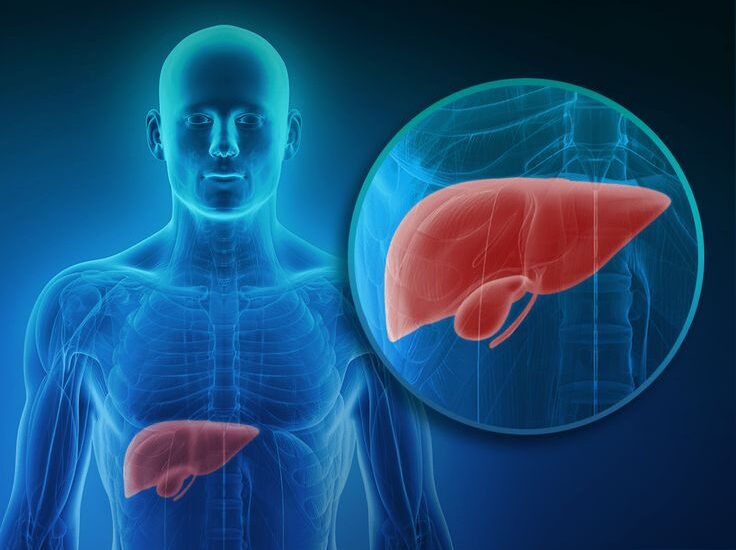
The liver is the body's largest internal organ, tucked under the right rib cage. It filters toxins from the blood, produces bile for digestion, stores energy, and manufactures proteins that help blood clot. A healthy liver can regenerate damaged tissue, but repeated or prolonged injury overwhelms that ability. Instead of healing cleanly, the liver replaces injured cells with bands of fibrous scar tissue.
As scar tissue builds up, it disrupts blood flow through the liver and blocks the organ from doing its job properly. This is what doctors mean when they describe cirrhosis as irreversible scarring — the architecture of the liver itself changes, not just its surface.
What Causes Liver Cirrhosis?
Cirrhosis is not a single disease but the shared final result of many different long-term liver conditions. The most common causes include:
1. Chronic Alcohol Use
Long-term heavy drinking is one of the leading causes of cirrhosis worldwide. Alcohol is broken down by the liver, and repeated exposure over years causes fat buildup, inflammation, and eventually permanent scarring.
2. Non-Alcoholic Fatty Liver Disease (NAFLD/MASLD)
Fat accumulation in the liver, often linked to obesity, diabetes, and high cholesterol, can progress silently to inflammation (steatohepatitis) and then to cirrhosis, even in people who never touch alcohol.
3. Chronic Viral Hepatitis (Hepatitis B and C)
Long-standing hepatitis B or C infection causes ongoing inflammation that, over decades, can scar the liver. Many people carry these infections for years without realizing it, since early symptoms are mild or absent.
4. Autoimmune Liver Diseases
Conditions like autoimmune hepatitis, primary biliary cholangitis, and primary sclerosing cholangitis occur when the immune system mistakenly attacks liver or bile duct cells, leading to chronic injury.
5. Genetic and Metabolic Disorders
Inherited conditions such as hemochromatosis (iron overload), Wilson's disease (copper buildup), and alpha-1 antitrypsin deficiency can damage the liver from a young age if left undiagnosed.
6. Chronic Bile Duct Blockage
Long-term blockage of bile flow, whether from gallstones, strictures, or biliary disease, can back bile up into the liver and cause lasting damage over time.
7. Certain Medications and Toxins
Long-term overuse of certain drugs, unregulated herbal supplements, or repeated exposure to industrial toxins can occasionally contribute to chronic liver injury.
Early Warning Signs of Liver Cirrhosis
Cirrhosis develops so gradually that many people have no symptoms for years. This early period is called compensated cirrhosis, where the liver is scarred but still manages to function. When symptoms do appear, they tend to be subtle at first:
- Persistent fatigue and low energy
- Loss of appetite and unexplained weight loss
- Mild discomfort or fullness in the upper right belly
- Nausea
- Easy bruising or bleeding from minor cuts
- Spider-like blood vessels visible on the skin
- Itchy skin
These signs are easy to dismiss as everyday tiredness or stress, which is exactly why routine liver check-ups matter for anyone with a known risk factor, even without obvious symptoms.
Signs of Advanced (Decompensated) Cirrhosis
Once the liver can no longer keep up with its workload, cirrhosis moves into a more serious phase known as decompensated cirrhosis. This stage brings more visible and dangerous symptoms:
- Yellowing of the skin and eyes (jaundice)
- Swelling in the belly (ascites) from fluid buildup
- Swelling in the legs and ankles
- Confusion, forgetfulness, or personality changes (hepatic encephalopathy)
- Vomiting blood or passing black, tarry stools
- Dark urine and pale stools
- Reduced muscle mass despite a swollen belly
⚠ Warning Signs Requiring Urgent Medical Care
Some cirrhosis symptoms point to a medical emergency. Go to the nearest hospital or call emergency services if you notice:
- Vomiting blood or blood in the stool
- Sudden, severe confusion or extreme drowsiness
- Rapidly worsening belly swelling with breathlessness
- High fever with a swollen, tender abdomen
- Fainting or a sudden drop in alertness
These signs can point to internal bleeding, a severe buildup of toxins affecting the brain, or an infection inside the abdominal fluid, all of which need emergency treatment right away.
The Stages of Liver Cirrhosis
Doctors generally describe cirrhosis in two broad functional stages, each with a very different outlook and management plan.
Compensated Cirrhosis
The liver has scar tissue but still performs most of its essential functions. Many people at this stage have few or no symptoms and can live for years with careful monitoring, especially if the underlying cause is controlled.
Decompensated Cirrhosis
The liver can no longer keep up, leading to complications such as jaundice, ascites, bleeding, or confusion. This stage requires closer medical care and often changes how a person is evaluated for a possible liver transplant.
Doctors also use scoring systems such as the Child-Pugh score and the MELD score to estimate the severity of liver disease and help decide on treatment priorities, including transplant eligibility.
Compensated vs. Decompensated Cirrhosis: What Is the Difference?
| Feature | Compensated Cirrhosis | Decompensated Cirrhosis |
|---|---|---|
| Symptoms | Mild or absent | Jaundice, ascites, confusion, bleeding |
| Liver function | Largely preserved | Significantly impaired |
| Outlook | Often stable for years with care | Higher risk of serious complications |
| Typical next step | Monitoring, treat the underlying cause | Specialist management, transplant evaluation |
Possible Complications of Cirrhosis
As scarring progresses, cirrhosis can lead to several serious complications, including:
- Portal hypertension: Scar tissue raises pressure in the vein carrying blood to the liver, forcing blood through weaker, smaller vessels.
- Variceal bleeding: Enlarged, fragile veins in the esophagus or stomach (varices) can rupture and bleed heavily.
- Ascites: Fluid leaks into the abdominal cavity, causing swelling and, if infected, a serious condition called spontaneous bacterial peritonitis.
- Hepatic encephalopathy: A buildup of toxins the liver can no longer filter affects brain function, causing confusion or drowsiness.
- Hepatorenal syndrome: Advanced liver failure can impair kidney function even when the kidneys themselves are structurally normal.
- Liver cancer (hepatocellular carcinoma): Cirrhosis significantly raises the long-term risk of developing liver cancer, which is why regular screening is recommended.
These complications are the reason doctors monitor people with cirrhosis closely, even during periods when they feel relatively well.
How Doctors Diagnose Liver Cirrhosis
Diagnosing cirrhosis usually combines a physical exam with a series of tests that build a full picture of liver health and severity.
- Physical exam: The doctor checks for an enlarged liver or spleen, belly swelling, jaundice, and spider-like skin blood vessels.
- Blood tests: Liver function tests, clotting studies, and markers of liver damage help assess how well the liver is coping.
- Abdominal ultrasound: Often the first imaging test, used to check liver size, texture, and signs of scarring or portal hypertension.
- Fibroscan (elastography): A painless scan that measures liver stiffness, a strong indicator of how much scarring has developed.
- CT scan or MRI: Provides a more detailed view of the liver, useful for spotting nodules, tumors, or blood vessel changes.
- Liver biopsy: A small tissue sample can confirm the diagnosis and help identify the underlying cause when other tests are unclear.
- Endoscopy: Used to check for esophageal or stomach varices in people with confirmed or suspected cirrhosis.
Treatment Options for Liver Cirrhosis
There is no cure that reverses established scar tissue, but treatment can slow progression, manage complications, and in many cases allow people to live for years with a good quality of life.
Treating the Underlying Cause
The single most important step is addressing whatever is damaging the liver — complete alcohol abstinence, antiviral therapy for hepatitis B or C, weight management and blood sugar control for fatty liver disease, or targeted treatment for autoimmune and genetic conditions.
Managing Complications
Diuretics help control fluid buildup from ascites, medications called beta-blockers can lower the risk of variceal bleeding, and lactulose or similar treatments help clear toxins that contribute to confusion in hepatic encephalopathy.
Endoscopic Procedures
When varices are found, doctors may use endoscopic band ligation to reduce the risk of dangerous bleeding before it happens.
Nutritional Support
A dietitian-guided plan that balances adequate protein with sodium restriction helps manage muscle loss and fluid retention, two common challenges in cirrhosis.
Liver Transplantation
For decompensated cirrhosis or liver failure that no longer responds to medical management, a liver transplant may be the only long-term solution. Evaluation considers overall health, the underlying cause, and MELD score to prioritize candidates fairly.
Living Well With Cirrhosis
A cirrhosis diagnosis is not the end of normal life, especially when caught in the compensated stage. Daily habits make a measurable difference in how the disease progresses. Complete avoidance of alcohol is non-negotiable, regardless of the original cause of cirrhosis. Regular follow-up with a gastroenterologist allows early detection of complications like varices or early liver cancer through scheduled screening. Vaccination against hepatitis A and B is often recommended to prevent additional strain on the liver. If you manage a related condition such as pancreatic disease or chronic indigestion, share this with your liver specialist so your full digestive health picture is considered together.
Prevention Tips
Not every cause of cirrhosis can be avoided, particularly genetic conditions, but many of the most common causes are preventable with consistent habits:
- Limit alcohol intake, or avoid it entirely if you have any liver risk factors
- Maintain a healthy body weight to reduce the risk of fatty liver disease
- Get vaccinated against hepatitis A and B
- Practice safe hygiene and safe practices to avoid hepatitis B and C transmission
- Manage diabetes, cholesterol, and blood pressure with your doctor's guidance
- Avoid unnecessary or unregulated medications and herbal supplements
- Get routine liver check-ups if you have a family history of liver disease
- Eat a balanced, fiber-rich diet and stay physically active
Lifestyle Recommendations for a Healthy Liver
Small, consistent choices protect the liver's remaining function and slow further damage.
- Favor a liver-friendly diet: Whole grains, vegetables, fruits, and lean protein support liver function without adding unnecessary strain.
- Limit added salt: Lower sodium intake helps control fluid retention and swelling in people with advanced cirrhosis.
- Stay active within your limits: Light, regular movement helps preserve muscle mass, which is often reduced in cirrhosis.
- Avoid raw shellfish: People with cirrhosis are more vulnerable to certain infections carried in undercooked seafood.
- Monitor for chronic acidity: Ongoing acid reflux and chest burning should be evaluated separately, since it can complicate medication choices in liver disease.
- Never self-medicate for pain: Some common over-the-counter pain relievers can be harmful in higher doses when the liver is already scarred; always check with your doctor first.
According to the National Institute of Diabetes and Digestive and Kidney Diseases, early diagnosis and treatment of the underlying cause offer the best chance of slowing cirrhosis before it reaches the decompensated stage.
Frequently Asked Questions
Can liver cirrhosis be reversed?
The scar tissue itself cannot be undone, but removing the cause early, such as stopping alcohol or treating hepatitis, can stop the damage from getting worse and allow the healthy part of the liver to work better.
What is the life expectancy with liver cirrhosis?
It depends heavily on the stage. Compensated cirrhosis can allow many years of normal life, while decompensated cirrhosis carries a much shorter outlook unless the underlying cause is controlled or a transplant is possible.
What are the first signs of liver cirrhosis?
Early cirrhosis often causes no symptoms at all. When signs do appear, they are usually vague, such as fatigue, mild appetite loss, and slight discomfort in the upper right belly.
Can you live a normal life with cirrhosis?
Yes, especially in the compensated stage. Many people manage cirrhosis for years with regular monitoring, a liver-friendly diet, and strict avoidance of alcohol and unnecessary medications.
Is liver cirrhosis always caused by alcohol?
No. While alcohol is a major cause, chronic viral hepatitis, fatty liver disease, and several autoimmune and genetic conditions can all lead to cirrhosis in people who never drink.
When to See a Gastroenterologist
Do not wait for jaundice or swelling to appear before getting your liver checked. If you have risk factors such as long-term heavy drinking, viral hepatitis, obesity, diabetes, or a family history of liver disease, a gastroenterologist can assess your liver health with simple blood tests and a scan. Left untreated, cirrhosis can progress silently from mild scarring to serious, life-threatening complications.
Concerned About Your Liver Health?
The specialists at Sathish Gastro & Liver Hospital in Mancherial diagnose and manage cirrhosis, fatty liver disease, hepatitis, and other liver conditions with modern, evidence-based care.
Book a Consultation