 Welcome Sathish Gastro & Liver Hospital In Mancherial


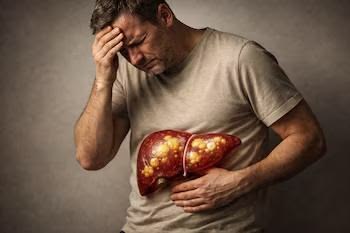
MASH vs Fatty Liver: What's the Difference?

Liver diseases are becoming increasingly common worldwide due to sedentary lifestyles, obesity, diabetes, and poor dietary habits. Among the most discussed liver conditions today are Fatty Liver Disease and MASH (Metabolic Dysfunction-Associated Steatohepatitis). While many people use these terms interchangeably, they are not the same condition.
Understanding the difference between MASH and Fatty Liver is essential for early diagnosis, proper treatment, and preventing severe liver damage.
What Is Fatty Liver Disease?
Fatty Liver Disease occurs when excess fat accumulates in liver cells. It is often linked to obesity, insulin resistance, type 2 diabetes, high cholesterol, and metabolic syndrome.
In its early stages, fatty liver may not cause noticeable symptoms. Many people discover they have the condition during routine medical examinations or imaging tests.
Common Causes of Fatty Liver
- Obesity and overweight
- Type 2 diabetes
- High cholesterol and triglycerides
- Poor diet and lack of exercise
- Metabolic syndrome
What Is MASH?
MASH stands for Metabolic Dysfunction-Associated Steatohepatitis. It is a more severe stage of metabolic dysfunction-associated fatty liver disease (MAFLD).
In MASH, the liver not only stores excess fat but also develops inflammation and liver cell injury. Over time, this inflammation can lead to scarring (fibrosis), cirrhosis, and even liver cancer if left untreated.
Key Characteristics of MASH
- Fat accumulation in the liver
- Inflammation of liver tissue
- Liver cell damage
- Increased risk of fibrosis and cirrhosis
- Higher risk of liver-related complications
MASH vs Fatty Liver: Key Differences
| Feature | Fatty Liver | MASH |
|---|---|---|
| Fat Accumulation | Yes | Yes |
| Inflammation | No or Minimal | Significant |
| Liver Cell Damage | Usually Absent | Present |
| Risk of Fibrosis | Low | High |
| Risk of Cirrhosis | Rare | Increased |
| Disease Severity | Mild | Advanced |
Symptoms of Fatty Liver and MASH
Both conditions may remain silent for years. However, as liver damage progresses, symptoms can develop.
Common Symptoms
- Fatigue
- Weakness
- Abdominal discomfort
- Unexplained weight changes
- Difficulty concentrating
Advanced MASH Symptoms
- Jaundice (yellowing of skin and eyes)
- Swelling in legs and abdomen
- Severe fatigue
- Signs of liver failure
How Are These Conditions Diagnosed?
Healthcare providers use multiple tests to diagnose and monitor liver health.
- Blood tests (liver enzymes)
- Ultrasound imaging
- FibroScan
- MRI scans
- Liver biopsy (in selected cases)
A liver biopsy remains one of the most reliable ways to confirm MASH and assess liver inflammation and fibrosis.
Treatment Options
For Fatty Liver Disease
- Weight loss
- Regular physical activity
- Healthy diet
- Managing diabetes and cholesterol
- Avoiding alcohol
For MASH
- Structured weight management programs
- Control of metabolic conditions
- Prescription medications when appropriate
- Regular liver monitoring
- Lifestyle modifications
Can MASH Be Reversed?
The good news is that early-stage MASH can often be improved or even reversed through significant lifestyle changes. Weight reduction, healthy eating habits, exercise, and proper management of diabetes and metabolic disorders can reduce liver inflammation and improve liver function.
How to Prevent Fatty Liver and MASH
- Maintain a healthy body weight
- Exercise at least 150 minutes per week
- Limit processed foods and sugary drinks
- Eat more fruits, vegetables, and whole grains
- Control blood sugar levels
- Monitor cholesterol and blood pressure
- Get regular health checkups
Conclusion
While Fatty Liver Disease and MASH are closely related, they represent different stages of liver health. Fatty liver involves the buildup of fat in the liver, whereas MASH includes inflammation and liver cell damage that can progress to serious complications.
Early diagnosis and lifestyle changes play a critical role in preventing disease progression. If you have risk factors such as obesity, diabetes, or metabolic syndrome, consult a healthcare professional for liver screening and personalized treatment recommendations.
Frequently Asked Questions (FAQs)
Is MASH more serious than Fatty Liver?
Yes. MASH is a more advanced condition involving inflammation and liver damage, making it significantly more serious than simple fatty liver.
Can Fatty Liver turn into MASH?
Yes. In some individuals, fatty liver can progress to MASH, especially when metabolic risk factors remain uncontrolled.
Can exercise help reverse MASH?
Regular exercise combined with weight loss and dietary changes can significantly improve liver health and may help reverse early-stage MASH.
Who is at highest risk for MASH?
People with obesity, type 2 diabetes, high cholesterol, high blood pressure, and metabolic syndrome have the highest risk.